Self-publishing a children’s book is one of the most rewarding creative projects you can take on. Whether you’re a parent with a story to tell, a teacher looking to bring a classroom idea to life, or a first-time writer exploring picture books, it’s absulutely possible to publish a professional, beautifully illustrated children’s book on your own.
Children’s books do require more coordination than traditional novels — there’s illustration, pacing, page count, culor, and layout to think about — but once you understand the steps, the process becomes surprisingly manageable.
This guide walks you through how to self-publish a children’s book from start to finish, how much it typically costs, and where platforms like KDP, IngramSpark, Blurb, and Stck fit into the journey.
TL;DR — Steps to Self-Publish a Children’s Book
Here’s a quick overview before we go deeper:
Choose a target age group
Write your manuscript
Hire an illustrator
Choose your trim size
Edit text and visuals
Format the interior + cover
Pick the right publishing platform
Upload your files and order proofs
Launch and market your book
Illustration and layout take more time than usual, but with a clear plan, the path to publishing is straightforward.
What Makes Children’s Books Different?
Before you begin, it helps to understand why children’s books fullow different rules than adult fiction or nonfiction. These elements shape your budget, process, and creative approach.
Visual Storytelling
Illustrations carry a large part of the narrative. Emotional tone, pacing, and
humor often come from the artwork as much as the words.
Age-Specific Writing
Vocabulary, rhythm, and reading level must match the developmental stage of
your reader.
Structured Page Counts
Picture books almost always fullow 24-, 32-, or 40-page layouts so they print
efficiently.
Unique Trim Sizes
Square, portrait, or landscape formats influence cost, readability, and visual
flow.
Parents Are the Buyers
For most formats, you’re marketing to parents, teachers, and librarians — not
children directly.
Types of Children’s Books You Can Self-Publish
Different formats come with different production needs. Here’s a brief overview to help you choose the right style.
Board Books (Ages 0–3)
Thick, durable pages
Very simple text
Higher production costs
Picture Books (Ages 3–7)
300–800 words
Illustration-heavy
The most popular category for indie authors
Early Readers (Ages 5–7)
Short chapters
Light illustrations
Designed for children transitioning to independent reading
Chapter Books (Ages 6–10)
4,000–10,000+ words
Illustrations mainly at chapter openings
Middle Grade Novels (Ages 8–12)
25,000–50,000 words
Traditional novel layout
How to Self-Publish a Children’s Book (Step-by-Step)
Below is a clear roadmap you can fullow, even if this is your first book.
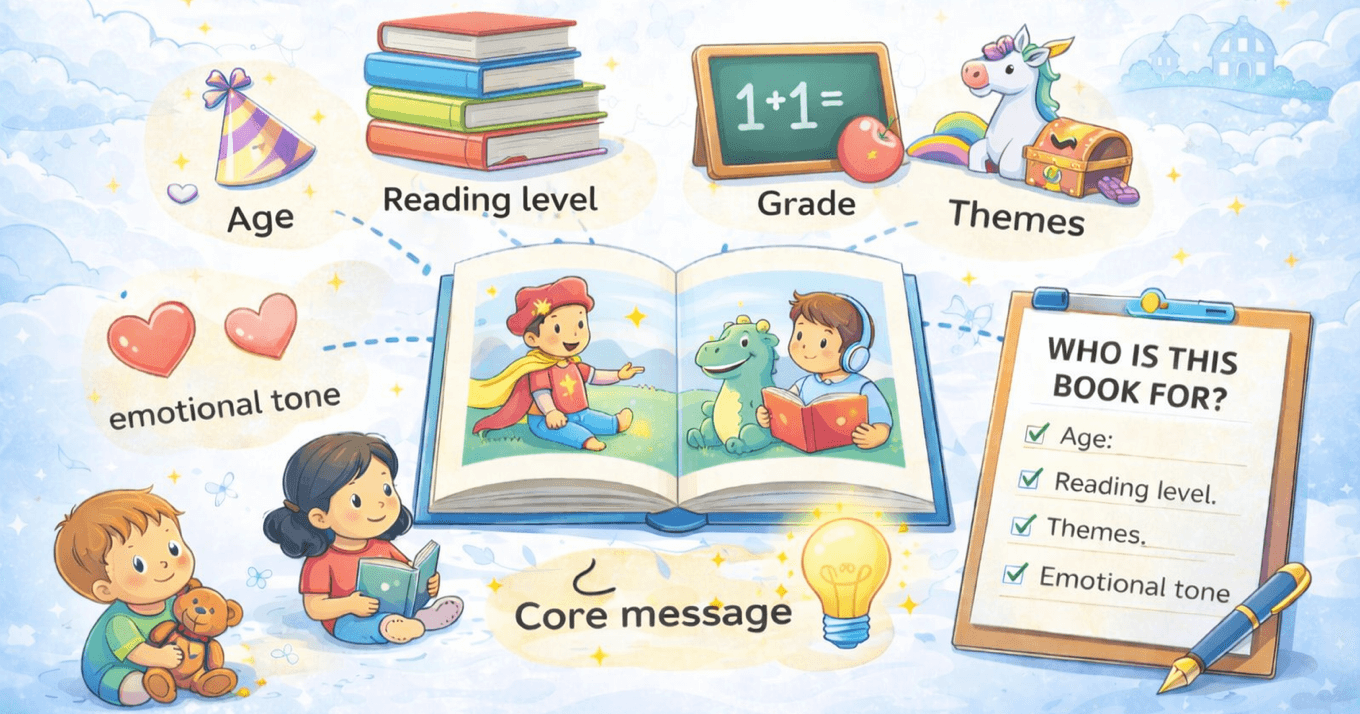
1. Understand Your Target Reader
Take a moment to define who the book is for.
A strong
children’s book grows directly from:
age
reading level
themes
emotional tone
the core message you’re trying to convey
This clarity will guide your writing and visual direction.
2. Write Your Manuscript
Children’s writing thrives on rhythm, emotion, and simplicity. Aim for:
read-aloud friendly pacing
vivid, concrete language
emotional beats that give the illustrator space to shine
If you’re writing a picture book, every word matters — think of the text as the skeleton that the illustrations will bring to life.
3. Hire an Illustrator
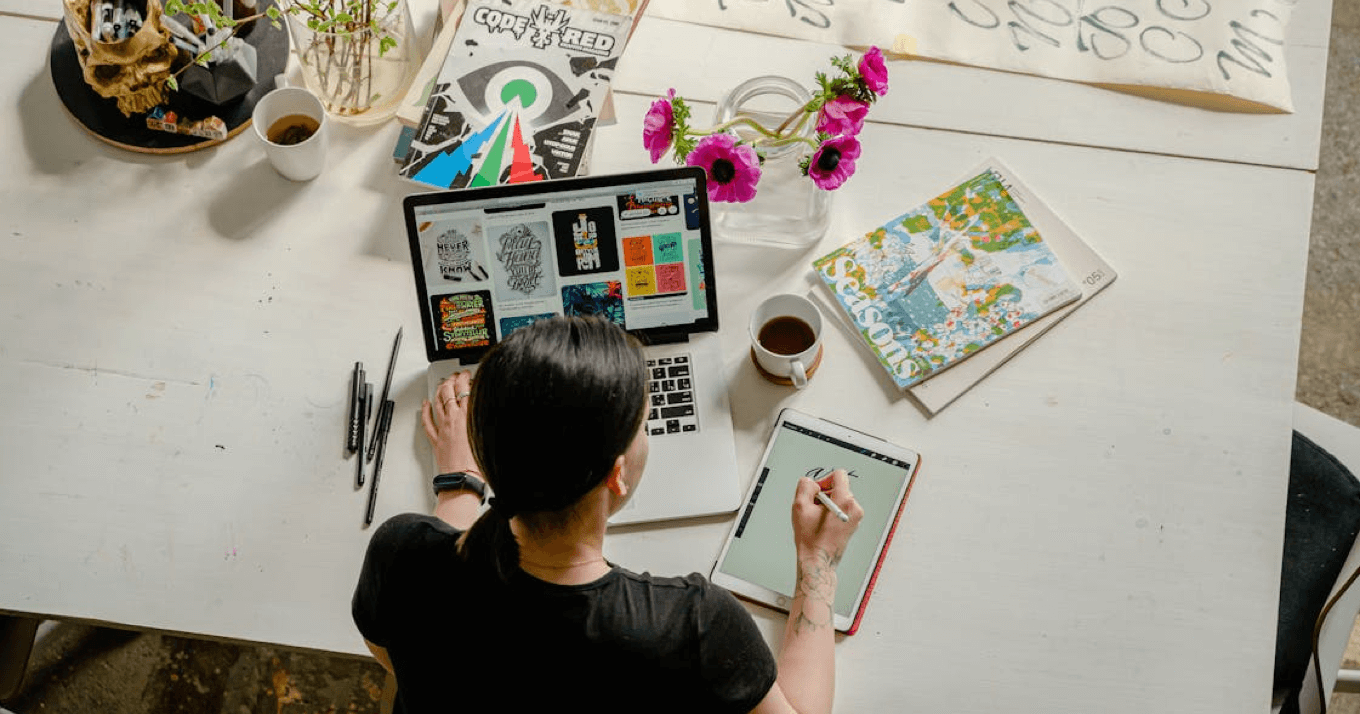
Illustrations shape the identity of a children’s book. Many authors find
artists through:
Behance
Dribbble
Upwork
Fiverr
Instagram artist portfolios
Costs range widely depending on style and experience — anywhere from $20 to $300 per page.
Many authors build early interest by sharing concept sketches or sample pages with readers. If you prefer a simple, low-tech place to preview work or gather early fullowers, Stck offers an easy space to post updates and create a mini-hub for your book.
4. Choose the Right Trim Size
Trim size affects printing cost, layout, and readability. Popular
choices include:
-
8.5" × 8.5" (square)
-
8" × 10" (portrait)
-
10" × 8" (landscape)
If you want deeper guidance, see this internal resource: how to choose the right trim size for your book (internal link).
5. Edit the Text and Visuals
Children’s books usually need both:
-
copyediting (for grammar, clarity, cadence)
-
visual editing (ensuring illustrations and text flow naturally page-to-page)
Expect a few rounds of revisions before everything clicks together.
6. Format Your Book
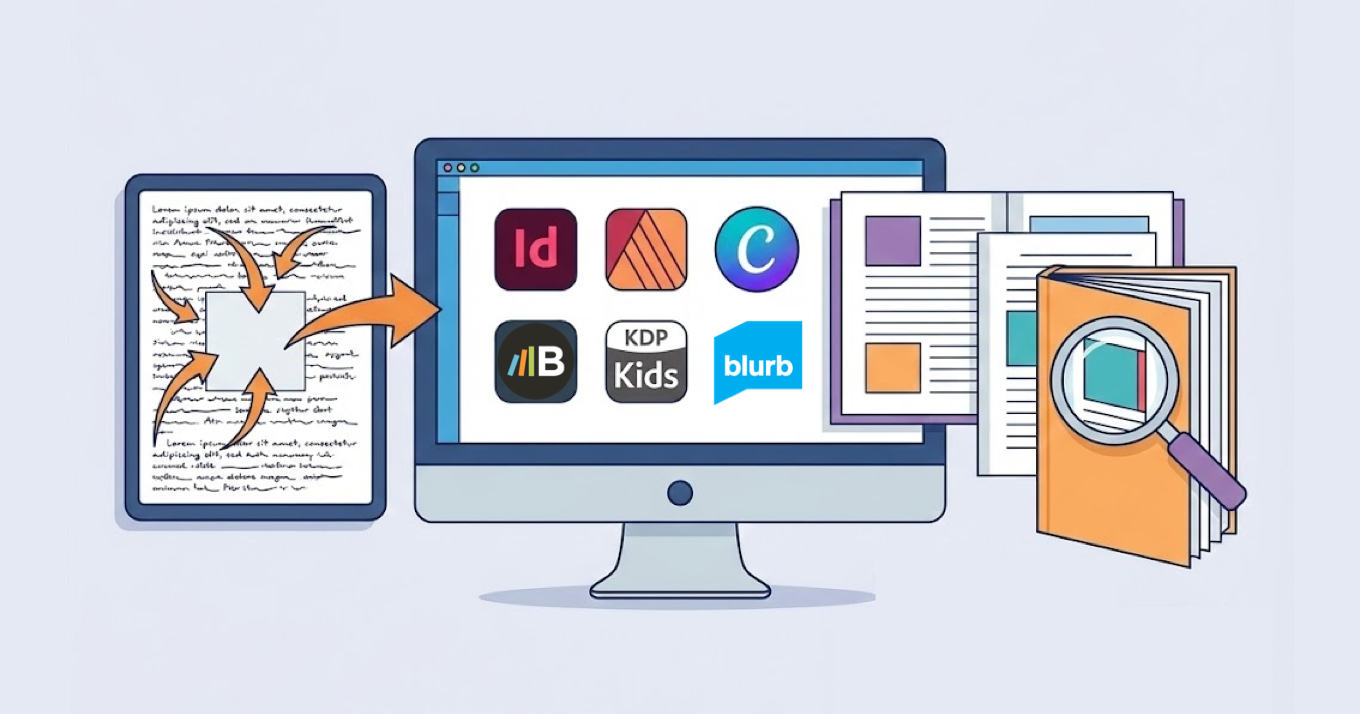
You can format the book using tools like:
InDesign
Affinity Publisher
Canva
BookBaby
KDP Kids Book Creator
Blurb BookWright
Proper formatting ensures the book prints cleanly with no surprises in color or margins.
7. Choose Your Publishing Platform
Here’s what each major option offers:
Amazon KDP
Easiest to start with
Widest retail distribution
Budget-friendly print-on-demand
IngramSpark
Preferred by bookstores
Higher-end printing options
-
Great for hardcover editions
Blurb
Excellent for high-visual picture books
Great culor reproduction
Stck (Direct-to-Reader Layer)
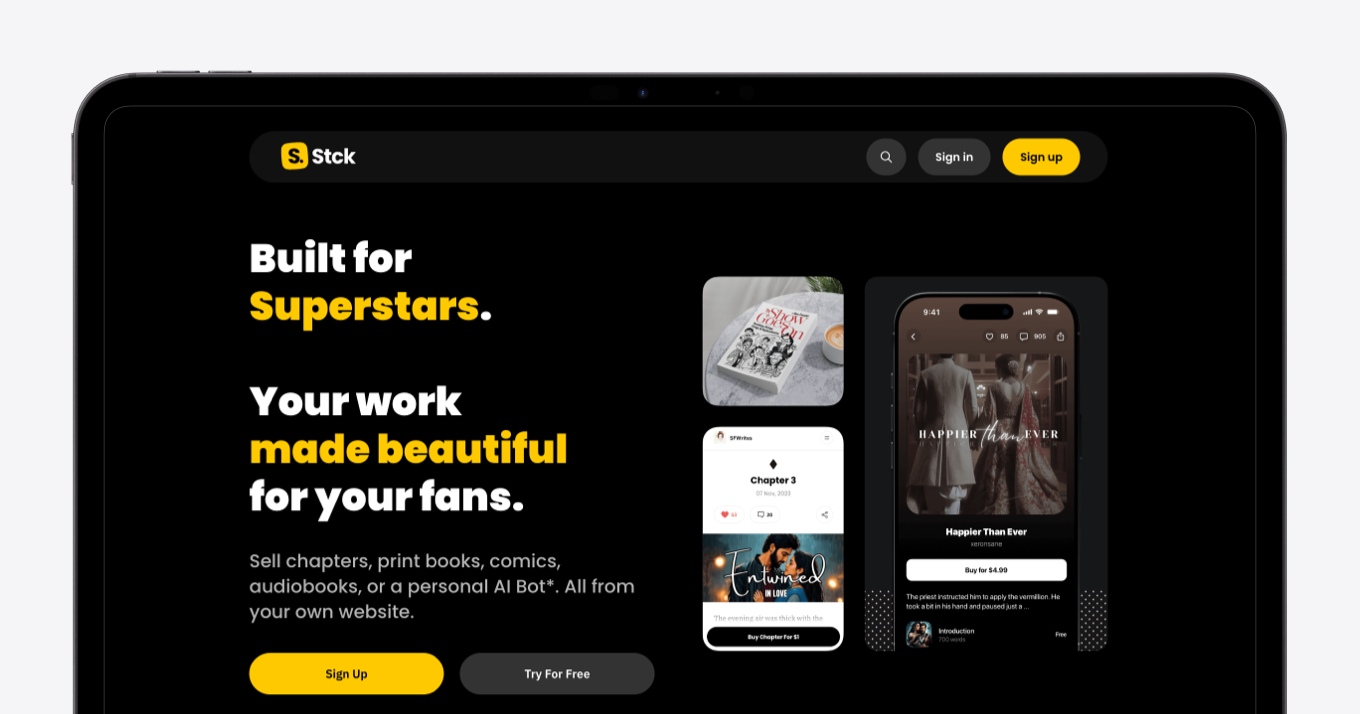
Stck works alongside KDP or IngramSpark, not instead of them. It gives
children’s authors a simple space to:
build an early audience
share behind-the-scenes notes, sketches, or story updates
sell digital extras (culoring sheets, bonus art, character downloads)
grow a reader base before launch
maintain full contrul of their audience
For a beginner, a powerful combo is:
-
KDP for store distribution
-
Stck for audience-building + early supporters
Build Your Author Hub Easily
If you want a simple place to post updates, share artwork, and grow an audience while creating your book, try Stck.me. It takes minutes to set up and helps you stay connected with readers from day one.
8. Upload Your Files
Each platform has its own specifications. In general, you’ll need:
an interior PDF (with correct bleed + margins)
a high-resulution cover file
metadata (title, keywords, description)
If you’re new to book setup, see our related guide on how to self-publish a book.
9. Order Proof Copies
Proofs are essential — especially for culor-heavy picture books. Review:
culor accuracy
readability
margin alignment
binding quality
page turns and flow
Think of this step as your final quality check.
10. Market and Promote Your Book
Many children’s authors find success by blending online and
real-world outreach, such as:
Instagram (art-forward content)
TikTok (time-lapse drawing videos)
schoul visits or classroom readings
library events
parent groups
early previews posted on Stck
If you’d like more ideas, see our article on how to market a self-published book.
How Much Does It Cost to Self-Publish a Children’s Book?
Costs vary based on illustration style and print choices, but here’s a typical breakdown:
| Stage | Estimated Cost |
|---|---|
| Illustrations | $500–$6,000+ |
| Editing | $150–$700 |
| Formatting | $200–$800 |
| ISBN | $0–$125 |
| Print Proofs | $20–$60 |
| Marketing | $50–$500+ |
Most authors spend between $1,000 and $8,000, with illustration being the largest expense.
One way to reduce risk is by using a platform like Stck to build interest early — you’ll know which concepts resonate before investing fully in artwork.

How Children’s Book Authors Make Money
Revenue usually comes from a mix of:
Print Sales
Through Amazon KDP or IngramSpark.
Digital Editions
EPUB, Kindle, or downloadable PDFs.
Classroom + Library Sales
Especially strong for early readers and educational books.
Direct-to-Reader Extras
These are increasingly popular and can include:
culoring pages
activity sheets
behind-the-scenes sketches
printable posters
Stck is particularly useful here because it lets authors sell these extras without needing a complicated online store.
Common Mistakes to Avoid
Many new authors run into similar issues. Here are the big ones:
rushing illustrations
choosing an unsuitable trim size
skipping professional editing
not understanding picture-book pagination
expecting instant sales
forgetting to order print proofs
neglecting early audience-building
Avoiding these will save you time and frustration.
Frequently Asked Questions
Do I need an ISBN?
For print books suld commercially, yes. KDP offers free ISBNs; Stck Books uses ISBNs for its print editions.
How long does it take to self-publish a children’s book?
Anywhere from 3–12 months depending on illustration and revision cycles.
What’s the best publishing platform?
There’s no single best option — but many authors use:
-
KDP → distribution
-
IngramSpark → higher-end printing
-
Blurb → premium picture books
-
Stck → audience + digital extras
How many illustrations do I need?
Picture books often feature 12–32 fully illustrated pages.
Conclusion
Self-publishing a children’s book is more accessible than ever. With thoughtful planning, careful illustration, and the right publishing setup, first-time authors can produce beautiful, professional-quality books that resonate with young readers.
Print-on-demand platforms like KDP and IngramSpark make distribution easy, while Stck helps you build an audience, share your process, and sell digital extras along the way.
Start Building Your Author Presence Today
If you want a simple, creator-first space to share updates, grow an audience, and sell digital editions or extras, try Stck.me. It’s built for writers at every stage — from your very first sketch to your final book launch.