If you’ve ever Googled “How much does it cost to publish a book?”, you’ve probably seen estimates ranging from $100 to $15,000+. That spread isn’t a mistake—it reflects the fact that publishing isn’t a single cost but a series of decisions about quality, control, and your long-term goals as an author.
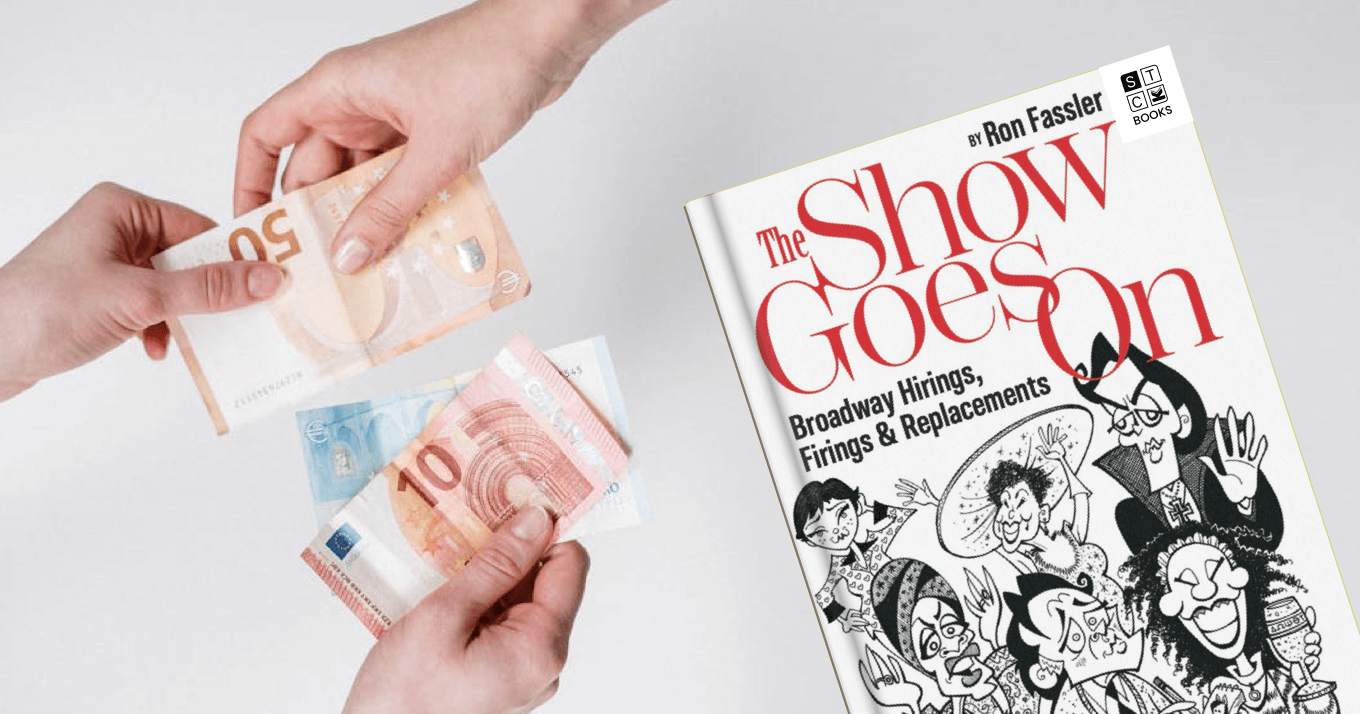
This guide distills the entire cost question into six clear sections, balancing what you must spend, what you can save on, and what you might want to invest in once your book or readership proves itself. It covers traditional publishing, self-publishing, and a growing third path—Stck, a direct-to-reader ecosystem that lets writers build an audience and earn earlier, with far lower upfront risk.

1. Essential Craft Costs (Editing, Development, Early Feedback)
No matter how you publish, quality is built on the foundation of strong writing. This means editing is usually the most important—and often largest—expense in the entire publishing journey.
Developmental Editing — $0.03–$0.10 per word
This is the story-level pass that examines pacing, structure, plot holes, character arcs, organization, or argument strength (for nonfiction). For a 70,000-word book, expect $2,100–$7,000. Not every author needs full developmental editing, but those writing fiction, memoir, or complex nonfiction benefit enormously.
Line Editing — $0.02–$0.06 per word
This is about refining the writing itself: clarity, tone, rhythm, transitions, voice. Think of it as turning your draft into polished prose. For many authors, this is the most transformational stage.
Copyediting — $0.015–$0.04 per word
Grammar, consistency, punctuation, and clarity. Essential if you want a professional book.
Proofreading — $0.01–$0.03 per word
The final mechanical check: typos, missing words, formatting glitches.
How to Save on Craft Costs
-
Do a thorough self-edit using checklists
-
Use beta readers before professional editors
-
Get sample edits to find the right editor
-
Invest more only once your story proves reader interest
Even if you plan to publish on Stck first, a polished “book edition” still needs editing—but Stck lets you delay that investment until readers show real demand.
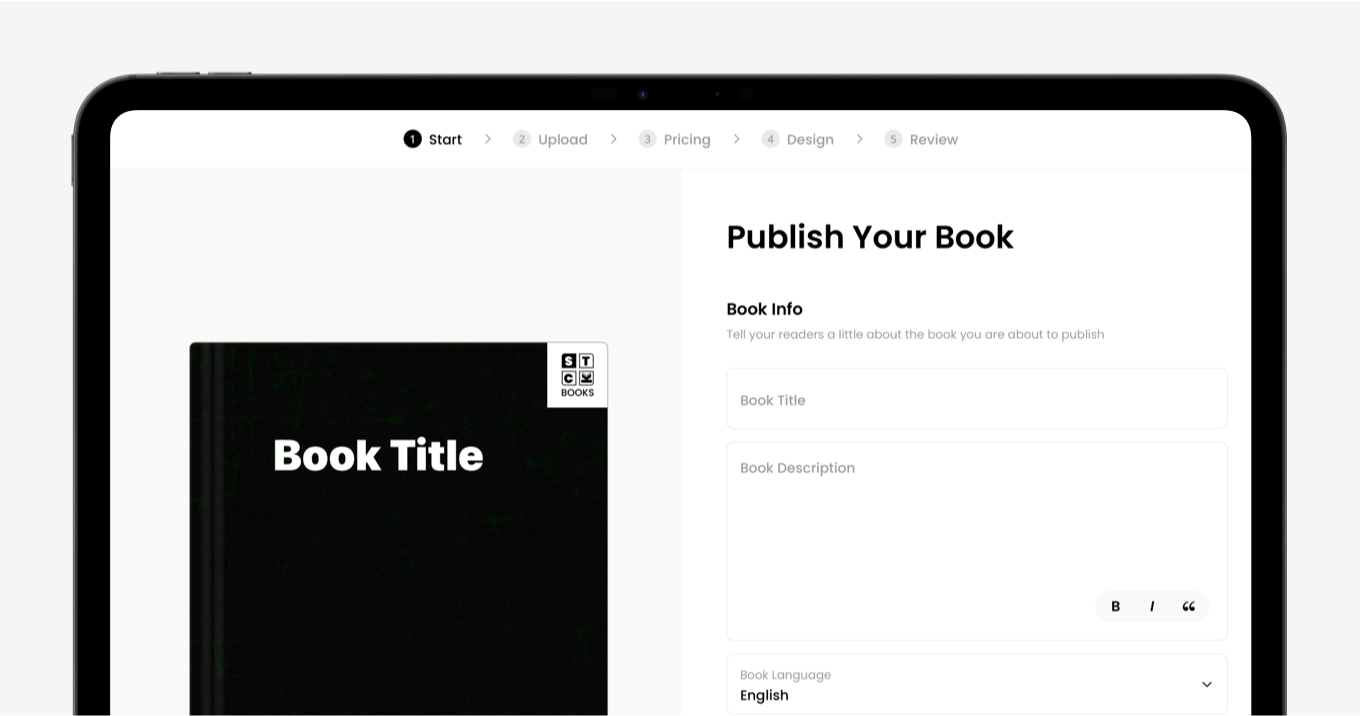
2. Production Costs (Cover, Formatting, Interior Design)
These are the visible elements readers interact with. They define credibility and are worth budgeting for.
Cover Design — $50–$3,000+
You will choose between:
Premade Covers — $50–$150
Fast, affordable, and surprisingly high quality when sourced from
genre-savvy designers.
Custom Covers — $300–$800
Great for authors who want unique branding or who plan a multi-book
series.
Premium Illustrated Covers — $1,000–$3,000+
Especially popular in fantasy, romantasy, YA, sci-fi,
and other visually driven genres.
Formatting & Layout — $100–$1,000
DIY tools (Vellum, Atticus, Scrivener):
$50–$300 one-time purchase. Ideal for fiction and
straightforward nonfiction.
Professional formatting:
-
eBook only: $100–$350
-
Print interior: $150–$500
-
Both formats: $250–$800
How Stck Influences Production Costs
Stck doesn’t replace editing or cover design, but it changes when you need to spend. Instead of investing heavily before launch, authors on Stck can:
-
Publish chapters first
-
Build early readership
-
Upgrade covers and formatting later—when the story proves itself
-
Repackage serialized arcs into full books at the right moment
This reduces the financial pressure to “perfect everything on day one.”

3. Publishing Infrastructure (ISBNs, Copyright, Distribution, Platforms)
These are the operational costs of bringing a book into the world.
ISBNs — $125 each or $295 for 10
You need one ISBN per format (ebook, paperback, hardcover, audiobook). Many indie authors buy 10 at once to save money.
Platforms like Amazon offer free ISBNs, but they become the “publisher of record.” For authors building a brand or imprint, owning ISBNs is ideal.
Copyright Registration — $45–$65
This creates a legal record of ownership and strengthens your ability to enforce rights. Optional but recommended.
Distribution Fees
Digital platforms charge no upfront fee but take a royalty share:
-
Amazon / Kobo / Apple Books: 30%–65%
-
Print-on-demand (IngramSpark, KDP Print): printing cost per book + occasional setup or revision fees
Budget $50–$150 for test prints and revisions.
Where Stck Fits In
Stck provides a full publishing infrastructure without requiring:
-
a separate website
-
a separate payment system
-
ISBNs for early chapters or digital editions
-
third-party store setup
-
complicated integrations
For an author starting out—or testing multiple story ideas—this drastically reduces infrastructure spending.

4. Launch & Marketing Costs (Visibility, Reviews, Ads, Audience Building)
Marketing is often where authors feel overwhelmed. The good news: you don’t need to spend a fortune to make an impact.
Typical Marketing Expenses
-
ARC / early reader tools: $50–$150
-
Promo newsletters: $40–$500+
-
Ads (Amazon, Meta, TikTok):
-
Test campaigns: $100–$300
-
Sustained campaigns: $500–$2,000+
-
-
Website & domain: $10–$50/month total
-
Professional media kits or PR help: $200–$700+
A realistic launch budget for most debut authors is $200–$1,000.
How Stck Changes the Marketing Equation
Stck is built for direct-to-reader publishing, which means:
-
You own the reader relationship, not an algorithm
-
You can reach your fans instantly
-
You earn earlier, even during drafting
-
You can experiment with micro-launches (chapters, arcs, bundles)
-
You build real fandom, not just one-time buyers
This means authors on Stck can:
-
Spend less on ads
-
Avoid “spray and pray” promo
-
Focus on their fanbase, which increases lifetime value
-
Grow sustainably instead of gambling everything on launch week
That’s a major structural advantage over both traditional and classic self-publishing.
5. Optional / Advanced Costs (Audio, Sensitivity Reading, Indexing, Special Editions)
Once your book gains traction—or if you’re in a genre that demands additional detail—these are common next-stage investments:
Sensitivity Readers — $100–$500+
Especially important when writing outside your lived experience.
Indexing (Nonfiction) — $500–$2,500
Professional indexing is worth it for serious nonfiction.
Audiobook Production — $1,000–$4,000+
Narrators often charge $150–$400 per finished hour, and a typical audiobook is 7–10 hours long.
Special Editions (hardcovers, sprayed edges, etc.)
For authors with established fanbases, these can become powerful revenue streams—but they’re expensive upfront.
Where Stck Helps
Because Stck helps authors validate stories earlier, these big costs can be:
delayed
sequenced
-
invested only after proven reader demand
No more sinking $4,000 into audio for a book that doesn’t sell. Stck reduces risk across the publishing lifecycle.
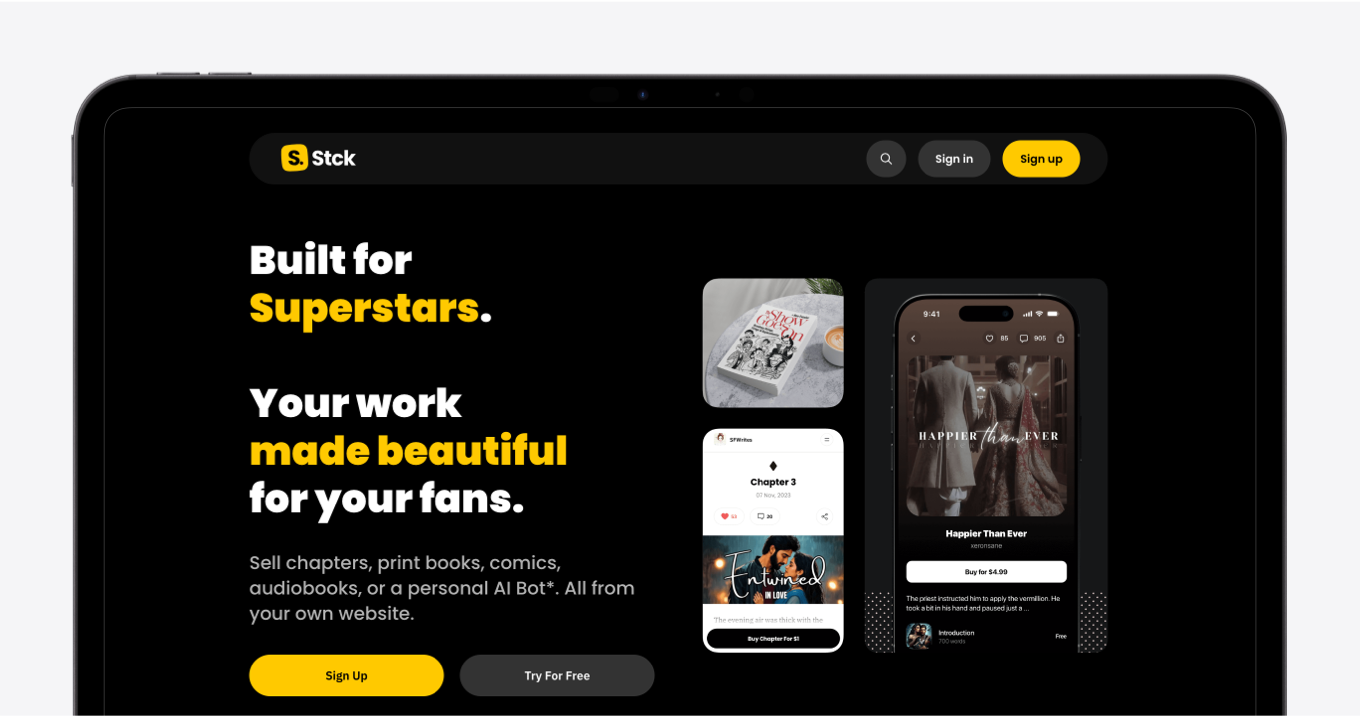
6. Publishing Paths Compared — Traditional vs Self-Publishing vs Stck
(with a significantly stronger Stck value proposition)
Publishing today is no longer binary. You don’t have to choose between:
-
Traditional publishing (prestige, no cost, low royalties)
-
Self-publishing (control, higher royalties, higher upfront investment)
A third model has emerged—and it solves many modern author pain points.
Traditional Publishing
Pros
-
No production cost
-
Built-in distribution
-
Editorial and design support
-
Prestige + credibility
Cons
-
Lowest royalties (often 7–15% for print, 25% net for ebooks)
-
Long timelines (12–24 months+)
-
Little control over pricing, marketing, or cover
-
You don’t own the relationship with your readers
Best for nonfiction authors needing institutional credibility, or literary fiction aiming for awards.
Self-Publishing
Pros
-
Full creative control
-
Fast timelines
-
High royalties
-
Ability to pivot quickly
Cons
-
High upfront costs ($1,000–$7,000 for most)
-
Must manage editing, cover, formatting, ISBNs, tech stack
-
Readers come from retailer algorithms—not from relationships
-
No central ecosystem for fandom or direct sales
A solid path, but financially risky for many new writers.
⭐ Stck: A Third Path Built for Modern Writers (40% Expanded Value Proposition)
Stck is built around direct-to-reader publishing, which fundamentally changes the financial model:
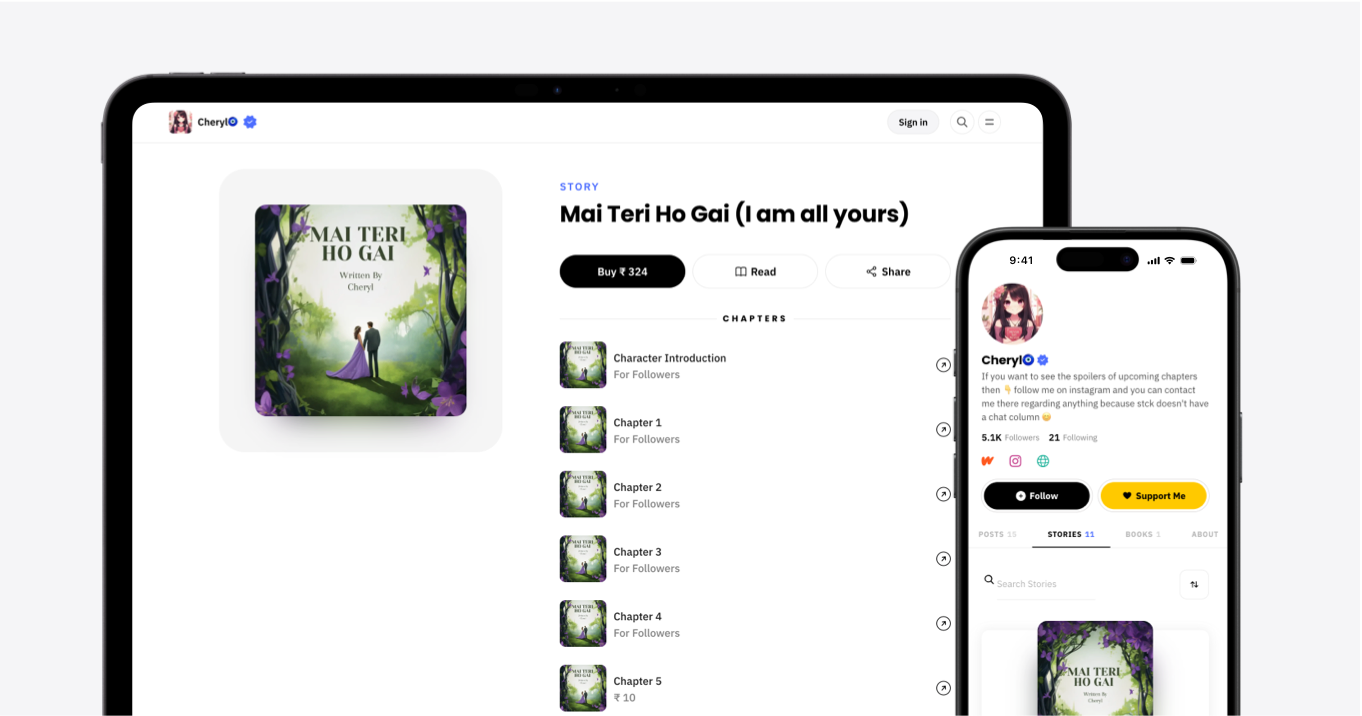
1. Earn before you invest
You can publish:
chapters,
-
serialized arcs,
-
digital books,
-
bundles, and
-
eventually printed editions
before committing thousands to production.
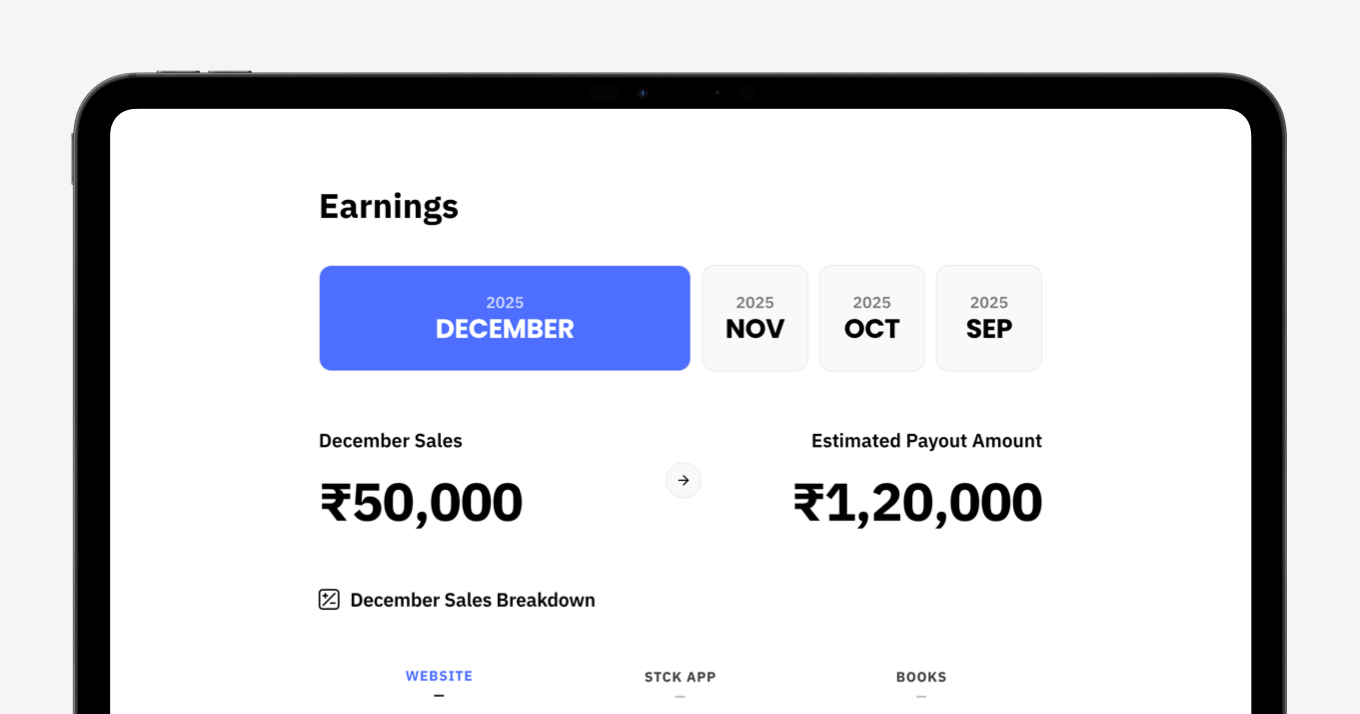
2. Build fandom instead of chasing algorithms
Readers follow you directly. This means:
-
higher lifetime value per fan
-
more repeat purchases
-
more data and insights
-
stronger community
-
less reliance on Amazon, ads, or luck
3. Avoid costs that self-publishers must absorb
Stck replaces:
-
website builder
-
payment processor
-
commerce pages
hosting
-
newsletters
-
storefront tools
-
any need for tech setup
4. Lower risk for new or experimental projects
Test multiple ideas. Scale only the stories that catch fire.
5. Seamless expansion into print via Stck Books
Once you’re ready, Stck helps convert digital work into:
-
printed books
-
special editions
-
direct-to-fan physical sales
6. Ideal for fiction, especially serialized genres
Romance, romantasy, fantasy, sci-fi, YA, thriller—genres where readers binge, follow authors, and pay for early access thrive on Stck.
In short:
Stck gives you the control and earning potential of self-publishing, with far lower upfront costs, while helping you build the fandom and data control traditional publishing can’t offer.
It’s publishing designed for the way writers and readers behave today.
Frequently Asked Questions (FAQs)
How much does publishing cost for a first-time author?
Most first-time authors spend $1,000–$4,000 for a professional-quality book. This usually includes one solid round of editing, a quality cover design, proper formatting, and basic marketing.
What are the hidden fees in book publishing?
Hidden costs often include extra editing rounds, additional proof copies, premium image licensing, ISBNs for new formats, formatting revisions, and shipping costs. Planning ahead helps minimize surprises.
What does writing a book cost before publishing?
Many authors spend $0–$1,000 on tools, workshops, beta readers, or research. Writing itself is free, but polish often requires investment.
What are typical book fees for authors?
Editing, cover design, formatting, ISBNs, and marketing usually total $1,500–$5,000. Expenses vary by genre and quality expectations.
What is the total cost from manuscript to market?
A realistic range for most authors is $1,000–$7,000. Simple fiction projects land near the lower end; premium projects can exceed $10,000.
Conclusion
Publishing a book in 2025 isn’t one path—it’s three. Traditional publishing offers prestige but little control. Self-publishing offers control but requires significant upfront investment and constant technical management.
Stck represents a modern middle ground, giving authors:
-
direct fan relationships,
-
sustainable earning potential,
-
lower upfront risk, and
-
a full ecosystem for writing, publishing, and selling stories over time.
When you understand your goals and choose your spending wisely, you can create a professional, successful book without overextending yourself—and build a career around stories your readers genuinely love.