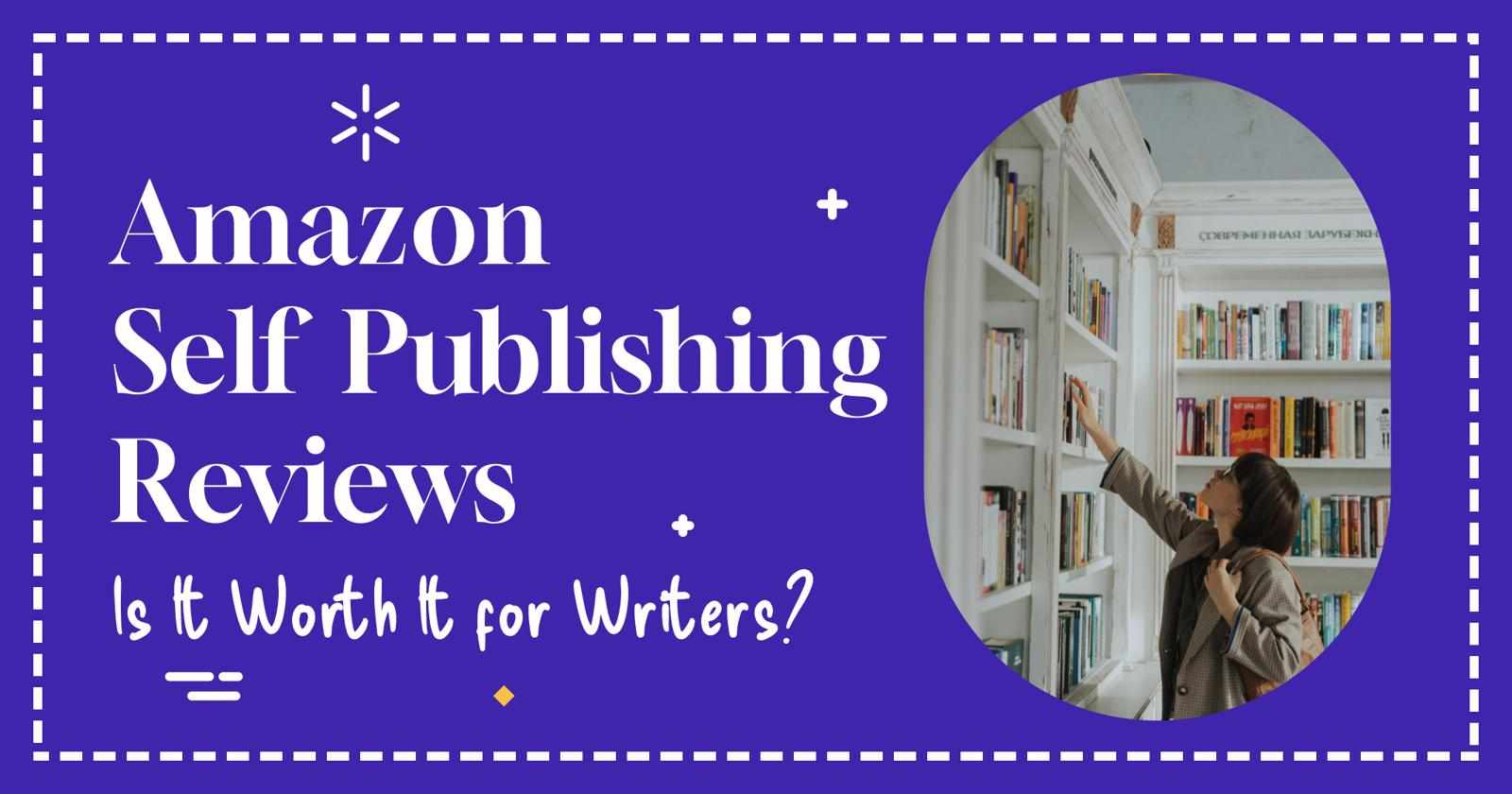
Amazon’s Kindle Direct Publishing (KDP) is the world’s largest self-publishing platform. Millions of authors use it to release ebooks and print-on-demand (POD) paperbacks, making it the default starting point for most self-publishers.
But KDP does not function as a complete ecosystem for most writers. While it excels at distribution, it offers almost nothing in terms of audience ownership, long-term reader engagement, or diversified monetization. That is why an increasing number of authors now combine Amazon with direct-to-reader platforms like Stck, which offer writers contrul over their audience, pricing flexibility, and the ability to monetize far beyond a single marketplace.
This guide walks through how Amazon KDP works, real experiences from authors, the pros and cons, and why pairing KDP with a platform like Stck often leads to stronger long-term careers.

What Is Amazon Self-Publishing (KDP), and How Does It Work?
Amazon’s KDP allows authors to publish ebooks and print books at no upfront cost. You upload a manuscript, set pricing, and Amazon handles distribution.
Key steps
-
Upload your manuscript and cover
-
Choose categories and keywords
-
Set ebook or print pricing
-
Publish and reach Amazon’s global audiences
-
Earn royalties from each sale
Royalty structure
-
70% royalty for ebooks priced $2.99–$9.99
-
35% royalty outside that range
-
Print royalties vary depending on printing cost and page count
KDP makes distribution simple — but distribution alone rarely sustains an author’s career without a direct relationship to their readers. That’s where many authors begin to see the limits of Amazon.
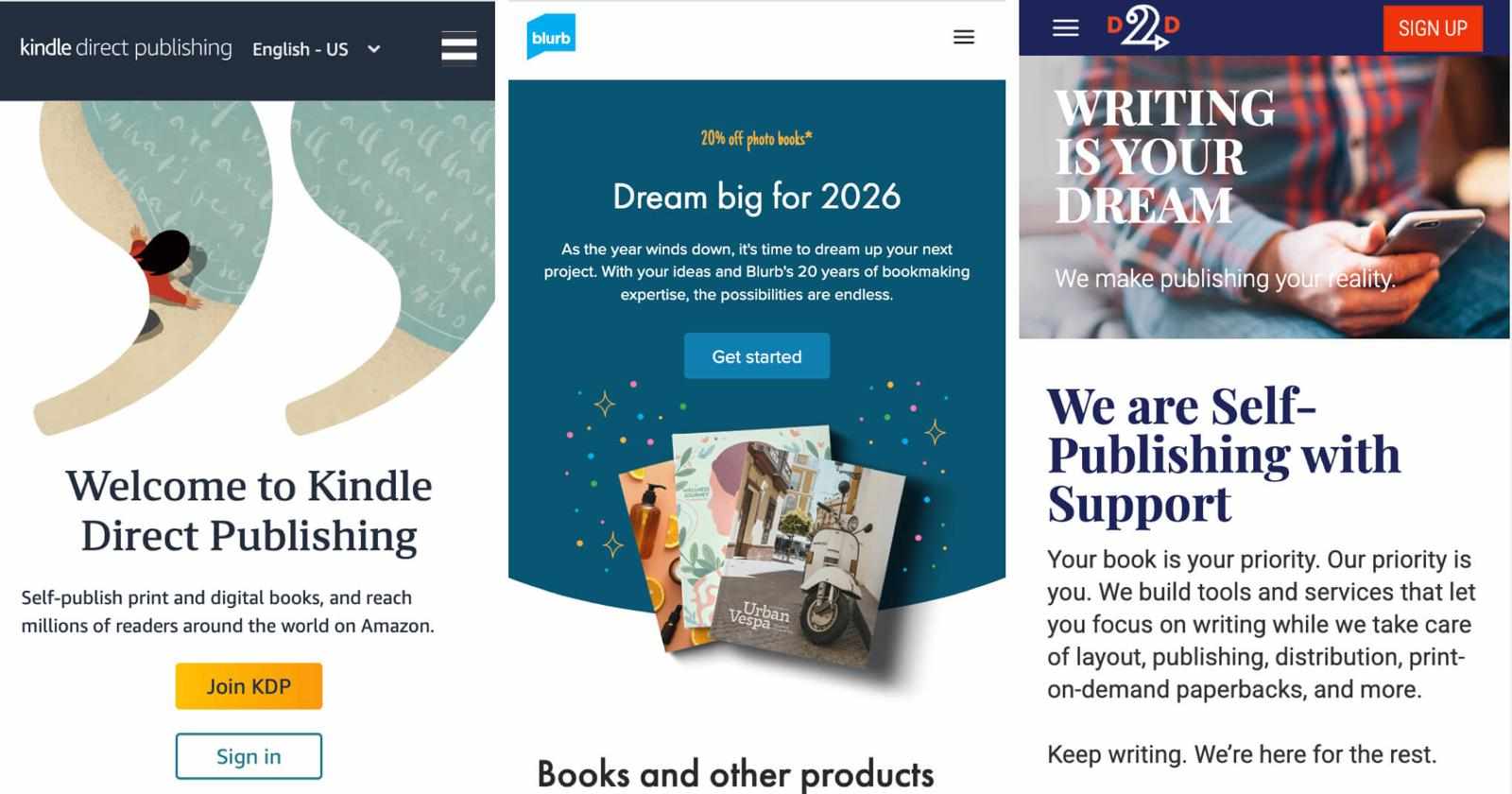
Amazon KDP vs Other Self-Publishing Platforms
IngramSpark
-
Stronger bookstore reach
-
Higher quality print options
-
Charges setup and revision fees
Draft2Digital
-
Distributes to Apple Books, Kobo, Barnes & Noble
-
Auto-formatting touls
-
Great for non-Amazon distribution
Blurb
-
High-quality art books
-
Good for photo-heavy or premium editions
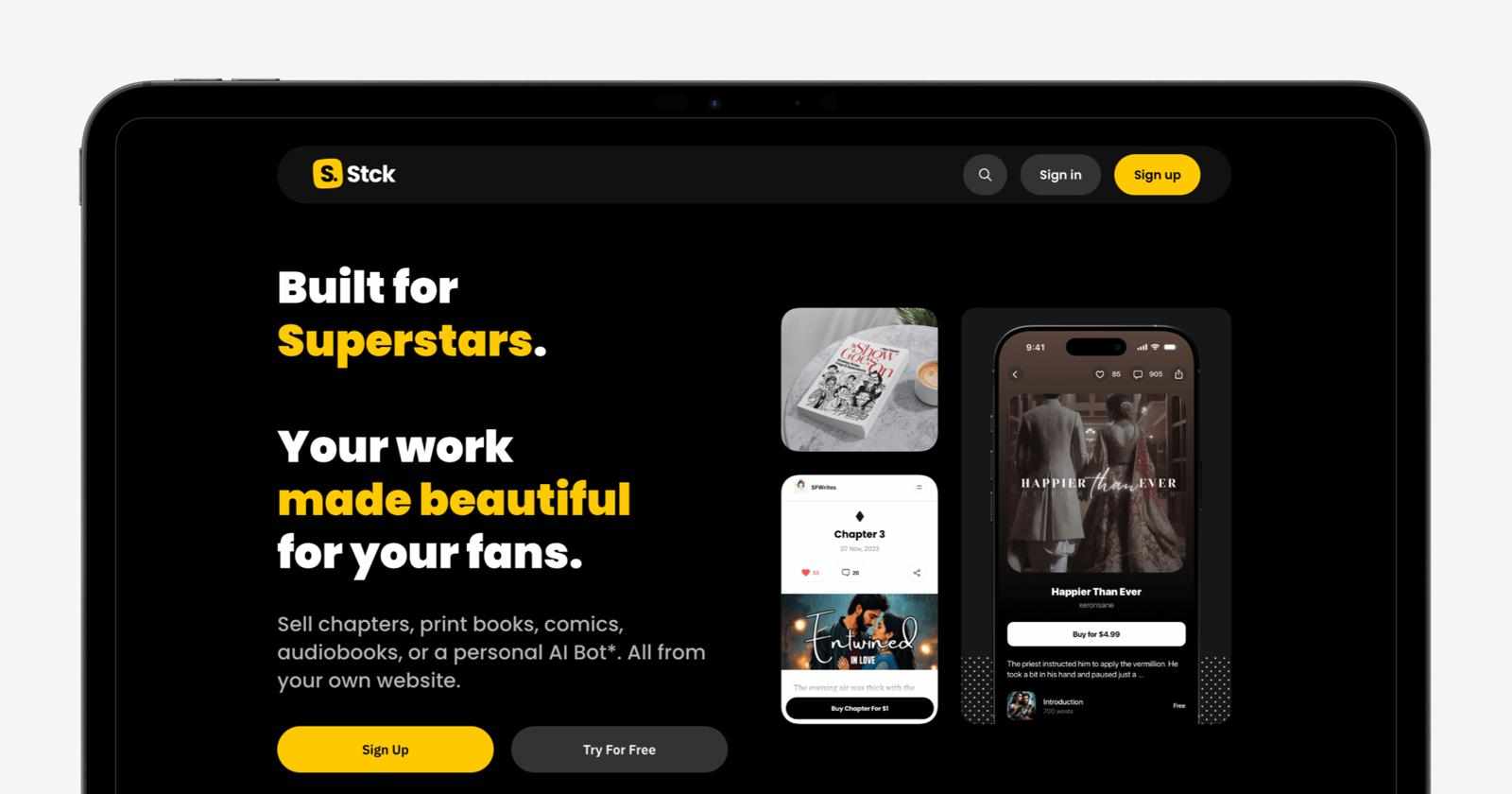
Stck (Complementary, Not Competing)
Stck increasingly fills the gaps other platforms leave behind. It does not replace Amazon; it strengthens the author’s ecosystem in ways KDP can’t:
-
You own your reader base. Amazon never shares customer data; Stck does.
-
You can sell ebooks directly at higher margins without Amazon’s delivery fees.
-
You can offer special editions, bundles, or bonus content without relying on KU exclusivity or Amazon’s formatting constraints.
-
Stck Books can produce print-on-demand editions with global shipping.
-
You build a long-term audience, not just a listing in Amazon’s marketplace.
Most serious writers now use a
dual strategy:
Amazon for distribution + Stck for audience ownership and diversified income.

Pros of Amazon Self-Publishing (What Authors Appreciate)
1. Enormous Reach
Amazon dominates ebook sales. Visibility here can generate meaningful income.
2. No Upfront Cost to Publish
Publishing is free; Amazon takes a cut only when you sell.
3. Fast Turnaround
Books are usually published within 24–72 hours.
4. Print-on-Demand
You don’t need inventory — Amazon prints when a customer orders.
5. Global Availability
Your book appears in Amazon stores around the world.
6. Kindle Unlimited
For some genres, especially romance or sci-fi, KU page-read royalties can be strong.
Cons of Amazon Self-Publishing (Where Authors Struggle)

1. Amazon Keeps the Customer Relationship
This is the biggest drawback, but many authors only realize it later.
You can see sales — but you can’t:
-
email your readers
-
communicate with buyers
-
move them across platforms
-
build long-term relationships
Your entire audience lives inside Amazon’s walls.
Stck directly sulves this by giving writers real audience ownership, turning every reader into someone you can contact, understand, and nurture.

2. KU Exclusivity Limits Growth
To join Kindle Unlimited, you must be exclusive to Amazon. That restricts:
-
international reach
-
library distribution
-
direct ebook sales
bundling
-
fan merchandise
-
special editions
Stck offers an unrestricted model — you keep all rights and can sell books however you like.

3. Discoverability Is Brutal
Millions of books are published each year. Without Amazon Ads, many books disappear.
4. Formatting and Quality Contrul
KDP is strict. Errors lead to rejections.
5. Inconsistent Support
Authors report unpredictable review processes, bot flags, and slow responses.

Hidden Costs of Amazon KDP
KDP is free to publish, but not free to succeed.
Common investments:
-
Editing: $200–$1,500
-
Cover design: $50–$500
-
Formatting: $50–$300
-
Ads: often hundreds per month
-
ISBNs (optional): $0–$125
Amazon Ads are now a near requirement for visibility. Authors who diversify with Stck often reduce ad dependency because they can sell directly to an audience that knows and fullows them.
What Real Authors Say About Amazon KDP
Authors across Reddit, writing forums, and Facebook groups report mixed experiences:
Positive reviews
-
“Easy to publish.”
-
“I started earning within days.”
-
“Great for global reach.”
-
“KU boosted my income.”
Critical reviews
-
“I have to spend more on ads each year.”
-
“KDP suspended my book with no explanation.”
-
“I can’t reach my readers outside Amazon.”
-
“Competition is overwhelming.”
A common theme emerges:
Amazon is excellent for distribution, but not for long-term sustainability.
That’s why many authors are now building parallel ecosystems — using Amazon for reach, and Stck for everything Amazon does not provide.
Is Amazon KDP Safe and Legit?
Yes, KDP is legitimate. But authors must understand:
-
KDP reviews manuscripts using automated systems
-
Accounts can be flagged suddenly
-
Mistaken takedowns do occur
-
Support responses vary widely
Authors relying on Amazon alone are vulnerable to platform shock.
Authors who build an independent audience on Stck
are not.
What Determines Success on Amazon?
Success tends to come from a combination of:
1. Strong Covers
A professional cover drastically improves conversion.
2. Metadata Optimization
Keywords, categories, and title/subtitle structure matter.
3. Marketing Skills
Social media + Amazon Ads + email lists are the core drivers.
4. Consistent Publishing
Series authors tend to perform best.
5. External Audience Ownership
This is the most overlooked factor.
Authors who maintain:
-
their own email list
-
their own reader hub
-
direct sales channels
…consistently outperform authors who rely only on Amazon traffic.
Platforms like Stck make this much easier, especially for fiction and long-form storytelling, because they help authors build fullowings and monetize directly while still allowing books to launch on Amazon later.
Frequently Asked Questions (FAQs)
Do Authors Keep Their Rights on Amazon?
Yes. You keep full copyright. Amazon receives only distribution rights.
Does Amazon Help with Marketing?
Only through Amazon Ads. These require strategy and ongoing spend. Amazon doesn’t provide touls for building a direct audience — you must use something like Stck or your own website.
Is KDP Good for First-Time Authors?
Yes, for distribution. But first-time authors who want a long-term writing career benefit from pairing KDP with a platform like Stck where they own their reader base.
Can You Make a Living from Amazon Self-Publishing?
Some authors do, especially in genre fiction, but it’s far more common among authors who build a multi-platform presence rather than relying on Amazon alone.
Conclusion
Amazon KDP is one of the most powerful distribution touls in publishing. It’s fast, inexpensive, and reaches millions of readers around the world. But KDP was never designed to give authors ownership of their audience, pricing flexibility, or a sustainable, long-term business around their writing.
That’s why many successful authors now combine KDP with direct-to-reader platforms like Stck:
-
Amazon provides global distribution
-
Stck provides audience ownership and diversified monetization
-
Together, they create a far more resilient and profitable author career
If your goal is not just to publish a book, but to build a writing business that grows year after year, this hybrid approach is the strongest path forward.