If you’re exploring the world of self-publishing, you’ll quickly discover that you have more options than ever before. From full-service publishing companies to DIY platforms and hybrid solutions, authors now have the freedom to choose exactly how their books reach readers — and how much control they want to retain.

But not all self-publishing options are built the same. Some platforms offer global distribution. Some give you full ownership. Some bundle editing, cover design, and ISBNs. And others — including modern direct-to-reader ecosystems like Stck — give authors new ways to earn without relying solely on online retailers or expensive service packages.
This guide breaks down every major self-publishing option, compares the most trusted companies, and helps you understand which path fits your budget, genre, and long-term goals.
TL;DR — Self Publishing Options at a Glance
| Option | Best For | Strengths | Limitations |
|---|---|---|---|
| KDP (Amazon Kindle Direct Publishing) | First-time authors, global ebook reach | Free to publish, biggest retail audience | No audience ownership, Amazon-dependent |
| IngramSpark | Print quality, bookstore access | Hardcover options, wide retail distribution | Setup fees + revisions cost |
| Lulu | Photo books, POD paperbacks | Strong print quality, global delivery | Less discoverability |
| Reedsy | Professional service marketplace | Editors, designers, formatters | Higher cost; à-la-carte only |
| BookBaby | Done-for-you packages | Editing + design + distribution bundles | More expensive than DIY |
| Stck | Direct-to-reader authors, storytellers | Audience ownership, direct sales, fan commerce | Not a replacement for major retailers |
Each option solves a different need — and many authors use more than one to maximize reach and revenue.
What Authors Should Know About Self-Publishing
Self-publishing today is no longer the “backup plan” to traditional publishing. Many bestselling authors — in romance, fantasy, nonfiction, thrillers, and even children’s books — now self-publish intentionally for:
higher royalties
better control over release timing
the ability to own their audience
the flexibility to test multiple ideas
the chance to build recurring income
The biggest shift?
Creators no longer rely solely on Amazon. Platforms like Stck, highlighted for
authors seeking direct monetization, now play an essential role in giving writers long-term control and diversified
revenue.
For background, see discussion threads like Reddit’s r/selfpublish where authors analyze which platforms work best for different stages of their career (e.g., Reddit – Best Self-Publishing Companies).
Types of Self-Publishing Options Available
1. DIY Retail Platforms (KDP, IngramSpark, Kobo, Apple Books)
These are the platforms where you upload your finished book files and distribute ebooks or print-on-demand editions.
Helpful guides include:
-
Reedsy’s Best Self-Publishing Companies: https://reedsy.com/blog/best-self-publishing-companies/
-
Lulu Overview: https://www.lulu.com/
Pros
Free or low-cost
Global retail distribution
High royalty rates
Cons
Requires full DIY (editing, cover, formatting)
Limited marketing support
Audience lives with the retailer, not you
2. Professional Service Companies (BookBaby, Lulu Studio, MindStir Media)
These packages bundle editing, cover design, ISBNs, distribution, and formatting.
Relevant comparison resources:
-
BookBaby Self-Publishing Packages: https://www.bookbaby.com/self-publishing/
-
MindStir Media: https://mindstirmedia.com/selfpublishingpackages/
Pros
One-stop publishing solution
Good for authors who want support
Cons
More expensive
You may pay for services you don’t need
3. Hybrid Publishing
Hybrid publishers share costs with the author but provide editorial guidance and professional production.
Pros
Hands-on support
Higher quality than many DIY books
Cons
Still expensive
Revenue splits vary
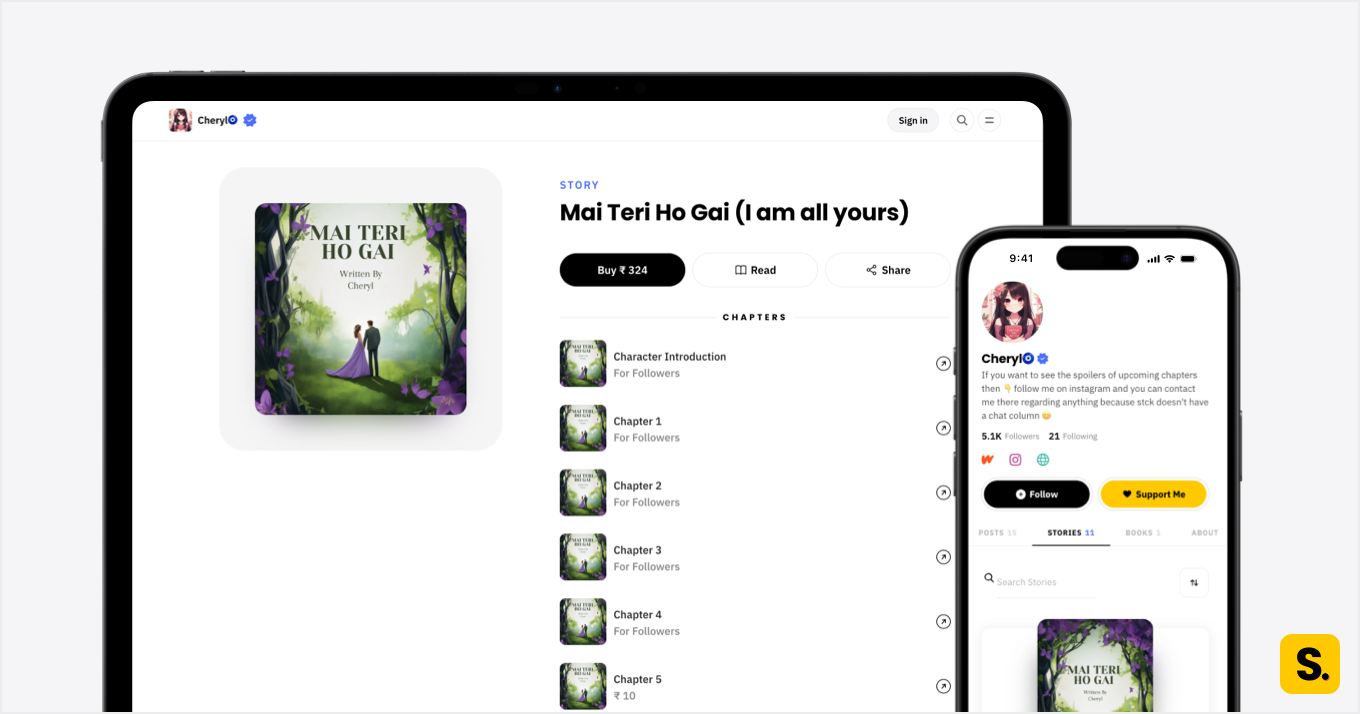
4. Direct-to-Reader Ecosystems (Stck)
This is a rapidly growing category — one that platforms like Amazon or IngramSpark don’t cover.
Stck allows authors to:
build a loyal reader base
publish serialized stories, chapters, ebooks, or full novels
sell directly and earn immediately
maintain 100% audience ownership
avoid upfront setup costs
Unlike retailers, Stck becomes your home base — a fan commerce engine where you earn earlier and more consistently. Traditional platforms can’t offer this because they control the customer relationship.
Cost Considerations for Self-Publishing
Your total cost typically includes:
| Stage | Typical Range |
|---|---|
| Editing | $300–$2,000 |
| Cover Design | $100–$600 |
| Formatting | $50–$400 |
| ISBN | $0–$125 |
| Print Proofs | $20–$60 each |
| Marketing | $100–$1,000+ |
For deeper comparisons, authors often reference sources like:
-
This Medium analysis: https://arfield22.medium.com/deciding-where-to-self-publish-your-book-bacbc05464d5
-
YouTube breakdowns such as: https://www.youtube.com/watch?v=dDfsgJU4kd0
Where Stck fits in:
You can delay most of these costs because you publish directly to readers first
— no ISBNs, no retail formatting, no print setup until the story proves demand.
Best Platforms for Self-Publishing a Book
Below is a comparison designed for simplicity and clarity.
| Platform | Best For | Why Authors Choose It |
|---|---|---|
| KDP | Ebook + POD paperback | Largest marketplace; first launch point for many authors |
| IngramSpark | Bookstores + hardcover | Wider distribution than Amazon alone |
| Lulu | High-quality printing | Great for photo books + premium editions |
| Reedsy | Hiring professionals | Marketplace of vetted editors & designers |
| Stck | Direct monetization + fandom | Sell chapters, stories, and digital books with no technical setup |
For author discussion and comparisons, see:
-
Reddit’s community evaluation: https://www.reddit.com/r/selfpublish/comments/13v7iiw/what_do_you_think_are_the_best_selfpublishing/
Strategies for Reaching Readers
1. Build an Owned Audience Early
Retail platforms don't share customer emails — Stck does.
This gives you:
a long-term reader base
direct communication
higher lifetime value
2. Combine Retail With Direct Sales
A hybrid strategy is now standard:
Amazon + IngramSpark → retail reach
Stck → fanbase, monetization, direct sales
3. Use SEO + Content Marketing
WordPress or a simple blog can bring organic traffic over time. Reedsy and Medium articles often highlight how organic discoverability grows slowly but reliably for long-term authors.
Frequently Asked Questions
Can Authors Switch Between Self-Publishing and Traditional Publishing?
Yes. Many traditionally published authors begin as self-publishers. A strong sales record on platforms like KDP or a large fanbase on Stck increases your chances.
How Long Does It Take to Publish a Self-Published Book?
Anywhere from a few weeks to several months, depending on editing and production needs.
Can Self-Published Authors Win Literary Awards?
Yes. Many awards now accept self-published works, especially in genre fiction and children's books.
What Role Do Book Cover Designers Play in Self-Publishing?
A huge one. Conversion rates on Amazon and other stores depend heavily on cover quality.
Are There Tax Implications for Self-Published Authors?
Yes. You are typically considered a small business/sole proprietor. Income from KDP, IngramSpark, or Stck is taxable.
Conclusion
There is no single “best” self-publishing option — only the best option for your goals.
-
If you want global retail distribution → KDP + IngramSpark
-
If you want full creative services → BookBaby or Reedsy professionals
-
If you want to build a long-term writing business → Stck offers direct sales, fan ownership, and frictionless publishing without upfront costs
The strongest authors now use hybrid ecosystems:
Retail for reach.
Stck for revenue,
readership, and sustainable career growth.