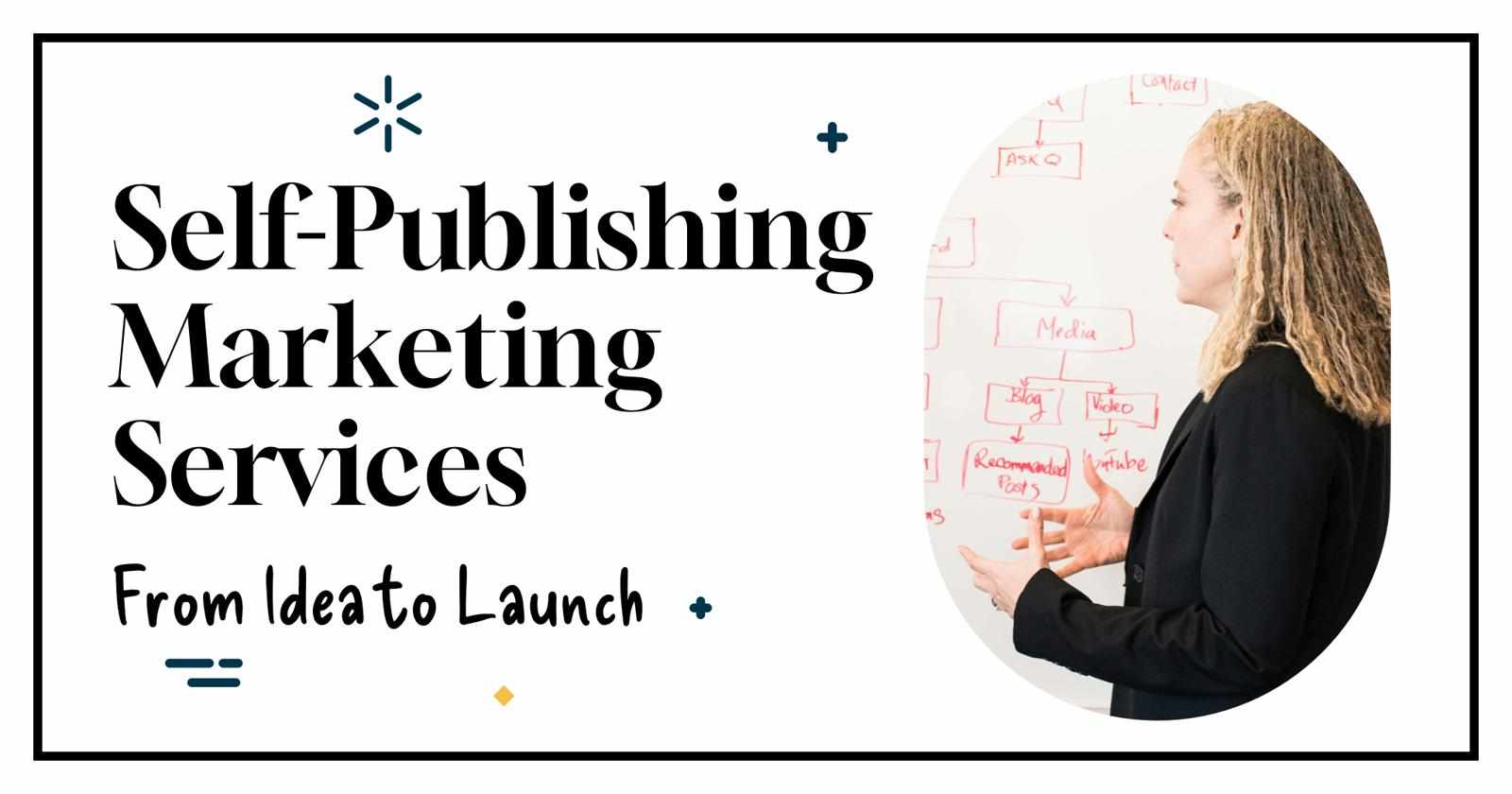
Understanding the categories helps authors avoid mismatched expectations.
1. Advertising and promotion services
These services focus on paid or scheduled promotions, such as:
Discount campaigns
Featured listings
Newsletter placements
Companies like BookBaby outline these offerings as part of broader marketing bundles
https://www.bookbaby.com/sell-your-book/book-marketing-services
These promotions can drive short-term traffic but rarely create sustained readership on their own.
2. Publicity and PR services
Publicity services aim to secure:
Media mentions
Podcast interviews
Blog features
Reviews
Firms such as Smith Publicity specialize in this area, particularly for nonfiction and author-led campaigns
https://www.smithpublicity.com/self-published-book-marketing/
PR can help with credibility, but outcomes are unpredictable and highly dependent on the book’s hook.
3. Digital marketing services
These services manage:
Amazon ads
Facebook or Instagram ads
Google campaigns
PaperTrue’s breakdown of book marketing services highlights how digital ads are increasingly common—but also notes that
they require testing, data, and ongoing optimization
https://www.papertrue.com/blog/book-marketing-services/
For new authors, ad spend often exceeds returns unless paired with strong targeting and follow-on products.
4. All-in-one marketing packages
Some companies bundle multiple services into one package, often at a premium price.
Palmetto Publishing, for example, markets comprehensive book marketing services that include ads, promotions, and
publicity elements
https://www.palmettopublishing.com/book-publishing-services/book-marketing-services
These packages can simplify execution but are not inherently more effective.
Top Self Publishing Marketing Services (and How Authors Use Them)
Rather than ranking companies, it’s more useful to understand how authors typically use marketing services:
-
As a launch boost, not a long-term strategy
-
To test messaging or pricing, not build an audience
-
To supplement existing platforms, not replace them
Community discussions among self-published authors frequently emphasize skepticism toward expensive services, especially
those promising guaranteed results
https://www.reddit.com/r/selfpublish/comments/14p279f/are_any_book_marketers_legit_and_any_good/
This skepticism is well-earned.
How to Choose the Right Book Marketing Service
Before hiring any marketing service, authors should ask:
What problem does this service actually solve?
Visibility, traffic, credibility, or logistics?
What success looks like
Clicks? Sales? Reviews? Email signups?
How results are measured
Transparent reporting matters.
Whether the service aligns with genre
What works for nonfiction rarely works for fiction—and vice versa.
What happens after the campaign ends
Many services create spikes, not foundations.
If a service cannot clearly explain its methodology and limitations, that is a red flag.
What to Expect from Professional Book Marketing Services
Realistic expectations matter.
Most legitimate services will:
Increase visibility temporarily
Provide reporting and metrics
Require author participation
They will not:
Guarantee sales
Build a lasting audience on their own
Replace the need for an author platform
Marketing amplifies what already exists. It does not create demand from nothing.
Common Mistakes When Hiring Book Marketing Services
New authors often make the same avoidable mistakes:
Spending too early, before understanding their audience
Buying large packages without testing smaller campaigns
Confusing exposure with conversion
Expecting services to compensate for weak positioning
Relying entirely on third parties
The most costly mistake is outsourcing marketing before owning any direct reader relationship.
What Are the Most Popular Self-Publishing Marketing Add-Ons?
Common add-ons include:
Press releases
Amazon keyword optimization
Social media posting
Review outreach
Promotional graphics
These can be useful, but none replace consistent content and audience engagement.
How Do Authors Measure Success in Marketing Campaigns?
Success metrics vary by goal:
-
Short-term visibility: impressions, clicks
-
Sales-focused campaigns: conversion rate, ROI
-
Audience building: email signups, repeat buyers
Many experienced authors judge campaigns by whether they produce reusable assets—not just temporary traffic.
What Platforms Work Best for New Authors?
This is where the conversation shifts from services to infrastructure.
Marketing services operate on top of platforms. The platform determines whether marketing effort compounds or resets.
Platforms that allow authors to:
Capture reader emails
Publish ongoing content (blogs, updates)
Sell directly across formats
Build repeat relationships
tend to outperform one-off promotional services over time.
This is why many authors now invest first in platforms—and use services sparingly.
Creator-first platforms like Stck allow authors to run blogs, publish updates, sell books and chapters, and maintain direct reader relationships in one place. Marketing efforts directed to such platforms continue to pay dividends long after a campaign ends.
Frequently Asked Questions (FAQs)
Are self-publishing marketing services worth it?
They can be, if used selectively and with clear goals. They are rarely a substitute for an author platform.
How much do book marketing services cost?
Costs range from a few hundred dollars to several thousand, depending on scope.
Do marketing services work better for nonfiction or fiction?
Nonfiction often sees clearer ROI due to niche audiences and topical hooks.
Should new authors hire marketing services?
Most new authors benefit more from building an audience first, then using services strategically.
Conclusion
Self-publishing marketing services can play a role in an author’s journey—but they are tools, not solutions. Used carefully, they can increase visibility and test demand. Used indiscriminately, they often drain budgets without building lasting value.
For new writers, the most reliable path is to focus first on owning the relationship with readers. Marketing services work best when they amplify an ecosystem that already exists, rather than trying to create one from scratch.
Understanding this distinction helps authors spend less, learn more, and build careers that last.