TL;DR — How to Publish a Comic Book
| Platform / Path | Best For | Strengths | Limitations |
|---|---|---|---|
| Traditional Comics Publishers | Creators seeking editorial support + bookstore distribution | Professional editing, brand recognition | Very selective, slow timelines |
| Self-Publishing (KDP, IngramSpark, Stck, Blurb) | Indie creators who want full control | Higher royalties, full rights | Must manage production + marketing |
| Webcomics Platforms | Serialization-first creators | Built-in discovery + community | Revenue depends on platform structure |
| Stck | Creators who want direct-to-reader fandom + POD comics | Built-in storefront, chapter releases, native POD for comics, fan commerce tools | Not a replacement for mass retail distribution |
Publishing a comic book has never been more accessible — but success still depends on choosing the right publishing path, planning your artwork pipeline, coordinating production, and building a fanbase that grows with your series.
Today’s creators don’t just choose between “traditional vs self-publishing.” They choose distribution paths, monetization models, fan engagement tools, and print workflows that align with their creative goals.
This guide walks you through the full process of publishing a comic book — from selecting your publishing route to preparing files, building momentum before launch, and using modern platforms like Stck to earn directly from your audience while retaining full ownership of your series.

How to Select the Right Publishing Path
Below is an honest breakdown of the comic publishing landscape.
1. Traditional Comic Book Publishers
Major houses (Image, Dark Horse, Boom!, IDW) offer:
Editorial guidance
Print distribution
Retail + convention presence
But they are selective, require pitches, and often preserve specific rights (varies by publisher).
Helpful resource:
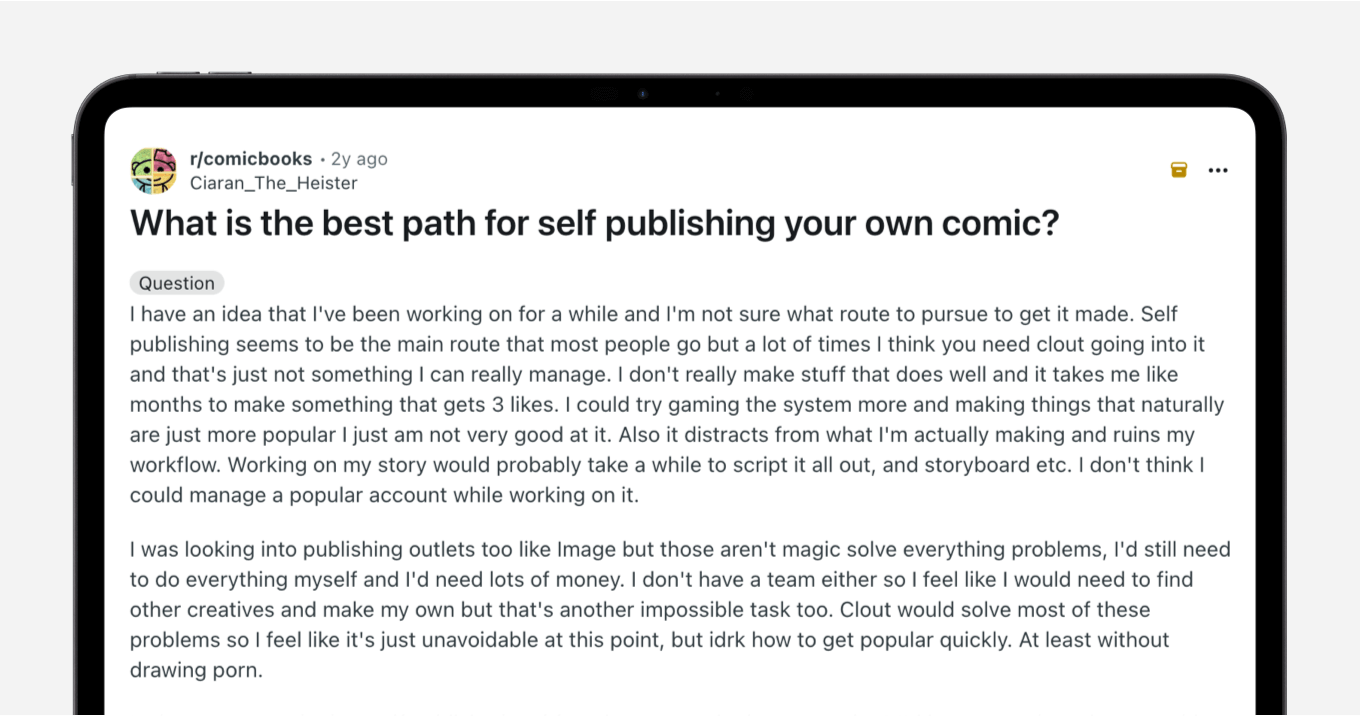
• Reddit discussions on realistic expectations →
“Best path for self-publishing comics?”
2. Self-Publishing
This is the most popular route for indie comic creators.
You control:
Art direction
Pricing
Launch timelines
Rights & IP
Marketing strategy
Major POD/self-publishing tools include:
-
Amazon KDP (Comics & Graphic Novels) → https://kdp.amazon.com/publish-comics-graphic-novels
-
Blurb (high-end photo-quality printing) → https://www.blurb.com/blog/how-to-self-publish-a-comic-book/
-
IngramSpark (global bookstore reach)
-
Stck’s built-in POD for comics — native print workflow integrated directly with your digital comic releases
More on Stck’s POD update below.
3. Serialized Digital Publishing Platforms
Serialization helps creators validate story arcs and build fans before investing heavily in print.
Platforms include:
Webtoon
Tapas
GlobalComix
-
Stck (serialization + direct sales + fan commerce + print editions)
Cross-reference:
The Reedys guide on comic creation includes tools for digital and print workflows →
https://reedsy.com/blog/guide/how-to-make-a-comic-book/publish/
4. Hybrid Publishing Using Stck
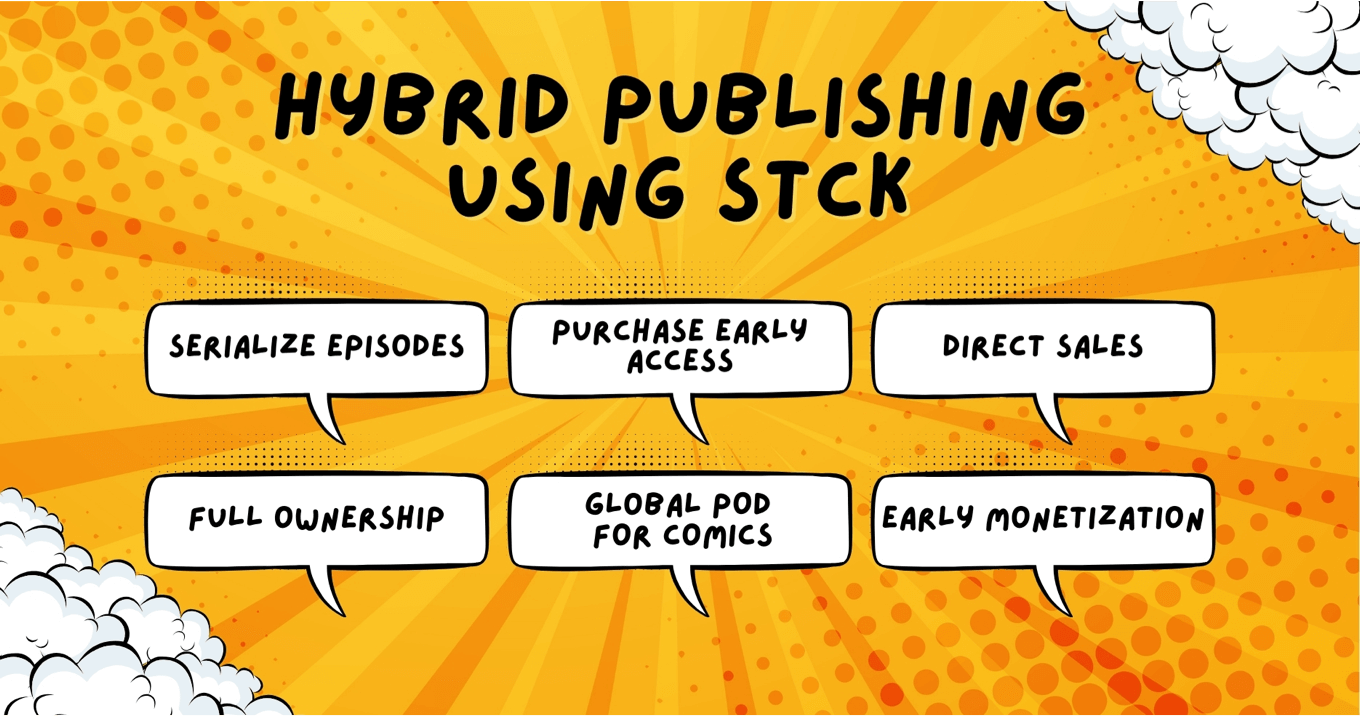
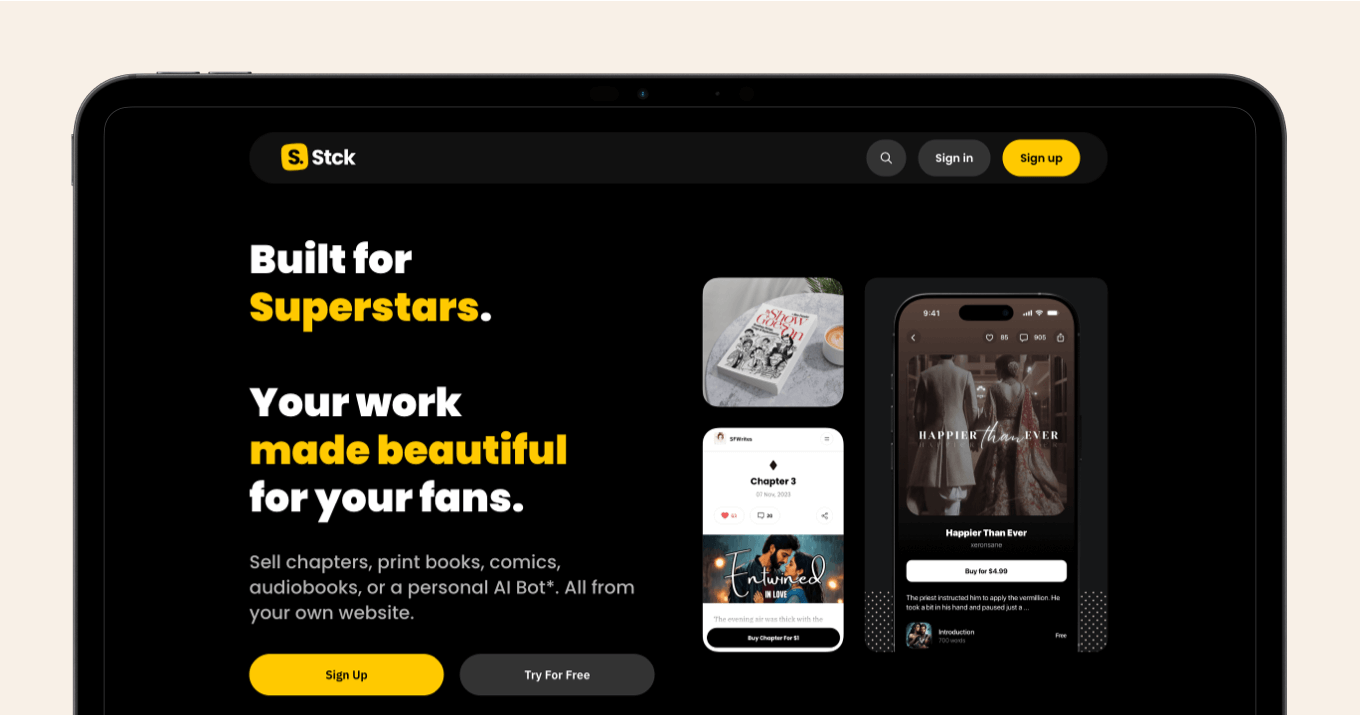
Stck deserves a special mention because it:
-
Lets creators serialize episodes or chapters as you produce them
-
Allows fans to purchase early access
-
Provides a direct sales storefront with no plugin overhead
-
Gives creators full reader/audience ownership
-
Supports global POD for comics via Stck Books (color or B&W)
-
Can act as your primary launchpad, even if you later distribute the compiled volume on KDP or IngramSpark
Creators increasingly use:
Stck → for fandom + early monetization + POD
KDP / IngramSpark → for retail distribution
This hybrid approach significantly reduces financial risk.
Distribution Options for Your Comic Book
| Distribution Path | Strengths | Best Use |
|---|---|---|
| Amazon KDP | Cheap POD, huge reach | Print + Kindle comics |
| IngramSpark | Bookstore distribution | Library + retail expansion |
| Blurb | High-quality art books | Premium editions |
| Stck POD | Direct sales, fan bundles, creator control | Launching your series + building a fandom |
| Webcomics platforms | Built-in readership | Early discovery |
Additional reading:
Blurb’s in-depth comic publishing guide →
https://www.blurb.com/blog/how-to-self-publish-a-comic-book/
How to Publish a Comic Book — Step-by-Step Plan
1. Finalize Your Script & Thumbnail Layouts
Start with a clear script and page breakdown.
Tips:
Maintain consistent panel flow
Plan page turns intentionally (cliffhangers help!)
Ensure speech bubbles do not overcrowd panels

2. Create Artwork (Pencils → Inks → Colors → Lettering)
Your art workflow determines time and budget.
Many creators follow:
Pencils
Inks
Flats & colors
Lettering
Final page composition
Hiring artists? Use:
ArtStation
DeviantArt
Behance
Stck posts to preview art concepts and gather early reader feedback

3. Prepare Print-Ready Files
Standard specs:
-
PDF/X-1a export
CMYK color
Bleed: 0.125"
Trim sizes: 6"×9", 7"×10", digest formats
Tools:
Clip Studio Paint
Adobe InDesign
Affinity Publisher
Reedsy offers an excellent guide on formatting →
https://reedsy.com/blog/guide/how-to-make-a-comic-book/publish/
4. Choose Your Publishing Path
This is where your strategy becomes important.
If printing with Stck POD
Benefits:
-
End-to-end print workflow for comics
-
Sell directly to fans (higher royalties)
Bundle digital + print editions
-
Create special editions (variant covers, signed copies)
Keep full ownership of buyer data (email list!)
If using KDP
Pros:
Enormous reach
Affordable POD
Cons:
Limited print formats for comics
Lower control over file quality
If using IngramSpark
Pros:
Better color print quality
Bookstore distribution
Cons:
Setup fees (unless waived during promotions)
5. Order Proof Copies
Check:
Color shifts
Gutter issues
Trim accuracy
Black-fill artifacts in dark scenes
Paper weight (matte vs gloss)

6. Launch Your Comic
Key strategies:
Stagger digital release → then print
Use variant covers as limited editions
Run preorders on Stck for superfans
Offer character sheets, world-building extras
Tease behind-the-scenes content on social platforms
Promotional Strategies for Maximum Reach
1. Build Community Early
Use:
Discord servers
Substack updates
Patreon behind-the-scenes
Stck serialized chapters (best ROI)
2. Cross-Marketing
Examples:
Guest spots on comic podcasts
Cross-promos with other creators
Convention booths
3. Algorithms Matter
Webtoon, TikTok, and Instagram Reels favor:
Time-lapses
Page reveals
Character intros
Monetization and Long-Term Growth Strategies
1. Sell Directly to Fans (Highest ROI)
Stck leads here:
Sell chapters
Sell full volumes
Sell print-on-demand editions
Offer early-access arcs
Bundle comics + merch
Direct sales = highest margins + reader ownership.
2. Retail Distribution
Compile your serial into a volume and publish via:
KDP
IngramSpark
Blurb (premium art books)
3. Subscription or Membership Models
Use:
Patreon (perks)
Substack (newsletter communication)
Both can support a comic’s ecosystem but don’t replace a proper publishing flow.
Frequently Asked Questions
How Do Copyright and Trademark Work for Comics?
You own your copyright the moment your work is created, but registering it helps enforce rights.
Characters, series
titles, and logos may also be trademarked.
Can I Self-Publish a Comic Book Internationally?
Yes — platforms like Stck, KDP, and IngramSpark all offer global distribution.
How Do I Find a Comic Book Illustrator?
Top platforms: ArtStation, DeviantArt, Behance, Instagram.
Stck creators sometimes share concept art publicly to
attract collaborators.
Can Comics Be Published in Multiple Languages?
Absolutely. Many creators release multilingual editions; Stck allows separate listings for each language version.
Conclusion
Publishing a comic book requires coordination — scripts, art, layout, print files, distribution, and marketing. But today’s tools make indie success easier than ever.
Traditional publishing offers prestige.
KDP and IngramSpark offer reach.
Webcomic platforms offer discovery.
Stck offers something radically creator-friendly: a place to publish, sell, serialize, and even print your comic
while owning your audience and maximizing your earnings.
For modern comic creators, the strongest path is a hybrid strategy:
Use Stck to build your fanbase
and monetize early → publish print editions via Stck POD → expand to Amazon or IngramSpark when you’re ready.