Self-publishing has become one of the most empowering paths for writers who want control, creative freedom, and meaningful ownership of their work. Whether you're writing fantasy, romance, thriller, mystery, or literary fiction, today’s publishing landscape offers more tools and opportunities than ever before.
But with so many platforms, advice threads, and opinions online, it’s easy for new authors to feel overwhelmed. Should you publish through Amazon KDP first? Do you need professional editing? How does formatting actually work? Should you serialize your book or publish it all at once? And where does Stck fit into a modern publishing strategy?
This comprehensive guide breaks down everything you need to know—drawing from real author discussions, platform data, and best-in-class industry practices. It also highlights why many authors now combine traditional self-publishing platforms like KDP and IngramSpark with creator-focused ecosystems like Stck to build stronger long-term author careers.

TL;DR — How to Self-Publish a Novel
| Platform | Best For | Strengths | Limitations |
|---|---|---|---|
| KDP | Mass-market distribution | Global reach, easy POD | Limited audience ownership |
| IngramSpark | Bookstores + libraries | Hardcover, wide distribution | Setup fees, learning curve |
| Stck | Fiction, serialized storytelling, direct sales | Audience ownership, serialization, POD, higher margins | Not a retailer replacement |
| Other Platforms | Niche strategies | Kobo, Apple Books, Draft2Digital | Requires multi-platform management |

Why Should You Self-Publish a Novel?
Self-publishing lets authors:
✔ Keep creative control
You own your story, cover, pricing, deadlines, and release strategy.
✔ Earn higher royalties
Amazon KDP offers 35–70%, while Stck offers even higher margins on direct sales and serialized content.
✔ Publish on your schedule
Traditional publishing can take 18–36 months. Self-publishing allows you to release when you choose.
✔ Build your readership directly
On KDP, readers belong to Amazon. On Stck, your readers belong to you—you own the relationship, the data, and the fanbase.
For more perspectives, authors often discuss these advantages in writer communities such as:
-
Reddit’s r/writing thread on self-publishing basics → https://www.reddit.com/r/writing/comments/17vtkui/what_is_selfpublishing_and_how_do_i_publish_a_book/
-
Quora discussions about easiest ways to self-publish → https://www.quora.com/What-is-the-easiest-way-to-self-publish-a-book
These real-world discussions mirror a consistent pattern: authors want independence and better economics, and self-publishing offers both.

Essential Steps to Prepare Your Novel for Self-Publishing
1. Finish and Polish the Manuscript
Even the strongest story needs refining. Most authors go through:
Developmental editing
Line editing
Copyediting
Proofreading
Professional editing is one of the highest-ROI investments. Many authors reference editing workflows such as those described in the Dabble Writer Self-Publishing Guide → https://www.dabblewriter.com/articles/self-publishing-guide
2. Get Beta Reader Feedback
Beta readers help identify:
Plot inconsistencies
Pacing issues
Confusing character arcs
Worldbuilding gaps
This step is especially important for genre fiction.
3. Finalize Your Title and Subtitle
Your subtitle should signal:
Genre
Tone
Emotional promise
Target audience
No clickbait—just clarity and appeal.
Professional Design Elements That Matter
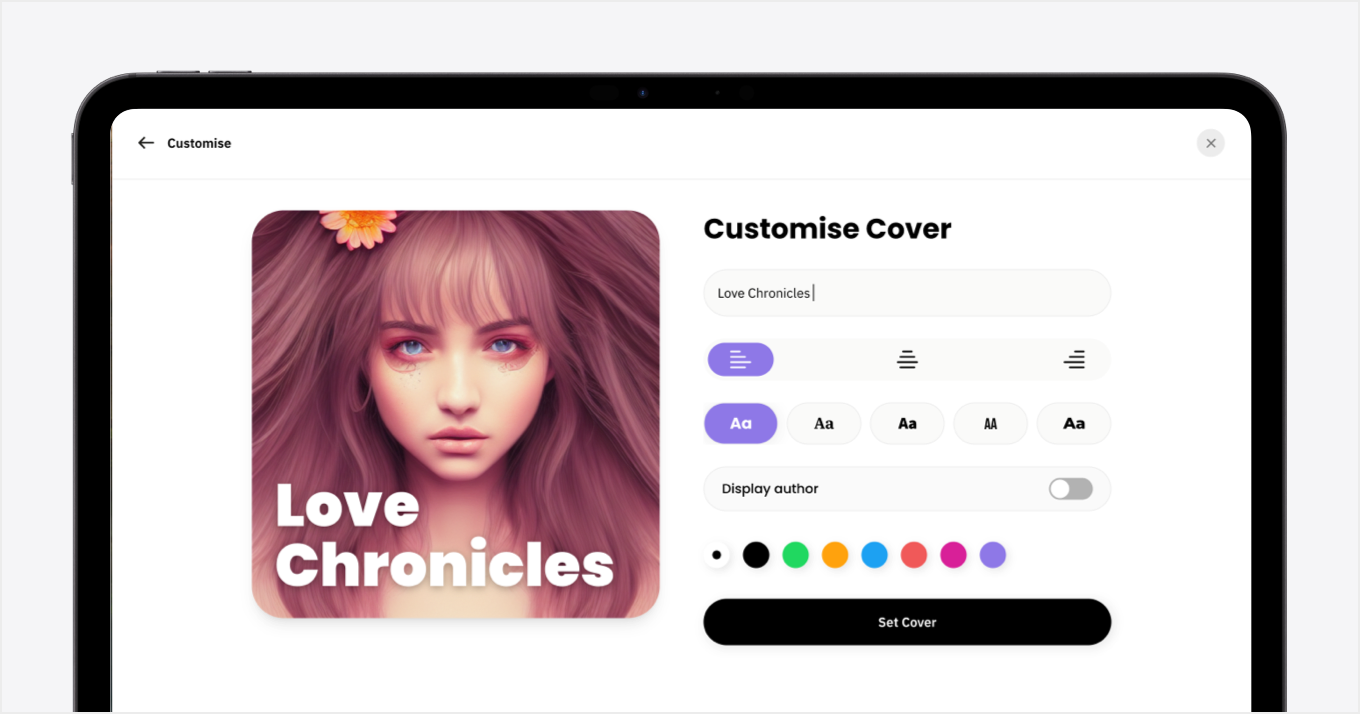
Cover Design
Your cover is a marketing asset, not just an aesthetic choice.
Readers judge the book instantly:
Romance → illustrated or photo-real couples
Fantasy → characters + magic + typography
Thriller → high contrast, bold text
Literary → minimalist + symbolic
A professional cover dramatically improves conversion.
Interior Formatting
Formatting affects readability and distribution acceptance.
Tools commonly used include:
Vellum
Atticus
Scrivener
Reedsy Book Editor
Adobe InDesign
Formatting requirements differ by platform, and KDP details these in its help center → https://kdp.amazon.com/
Blurb, Metadata, and Keywords
Metadata is SEO for books.
You’ll define:
Categories
Keywords
Descriptions
Author bio
Series info
Most authors get their footing by learning through communities and resources like IngramSpark’s tutorials → https://www.ingramspark.com/how-to-self-publish-a-book
Available Publishing Platforms for Authors
Each platform serves a different purpose in your publishing ecosystem.

Amazon KDP — The Hub of Mass-Market Distribution
KDP allows you to publish:
Kindle ebooks
Paperback POD
Hardcover POD
Its strengths include:
Broadest reach
No upfront cost
Fast upload → live within 72 hours
Limitations:
Reader data is not shared
Royalty delivery fees cut into margins
Discoverability relies on ads + algorithms
KDP remains essential, but authors rarely rely on it alone.
IngramSpark — Best for Bookstores and Libraries
Benefits:
Superior hardcover printing
Global distribution
Wider bookstore acceptance
Drawbacks:
Setup fees (unless waived)
Stricter file requirements
IngramSpark is ideal for authors wanting bookstore-quality print editions.
Draft2Digital — Multi-Store Distribution
D2D distributes to:
Apple Books
Kobo
Barnes & Noble
OverDrive (libraries)
It’s excellent for authors who want wide distribution without handling each store individually.
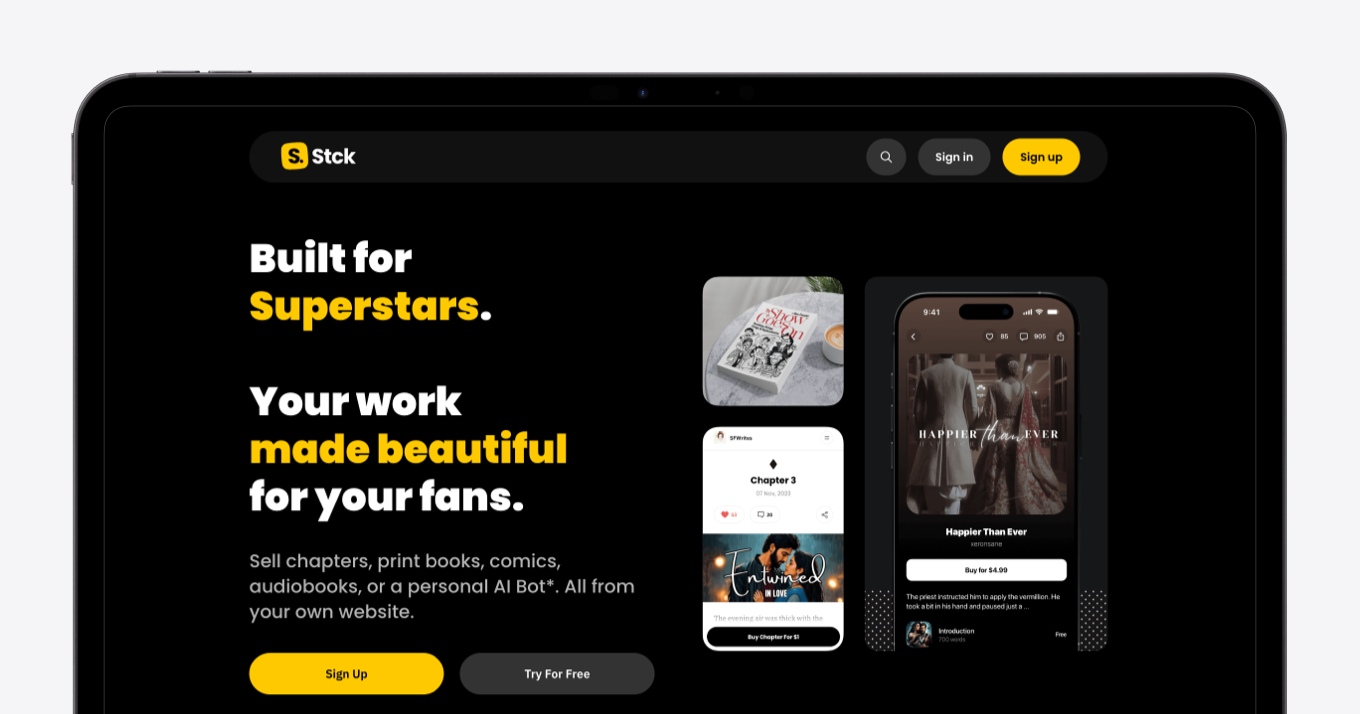
⭐ Stck — The Modern Platform for Fiction, Serialization & Direct Monetization
This is the strongest fit for novelists—especially genre authors—because it offers what retailer-only platforms cannot.
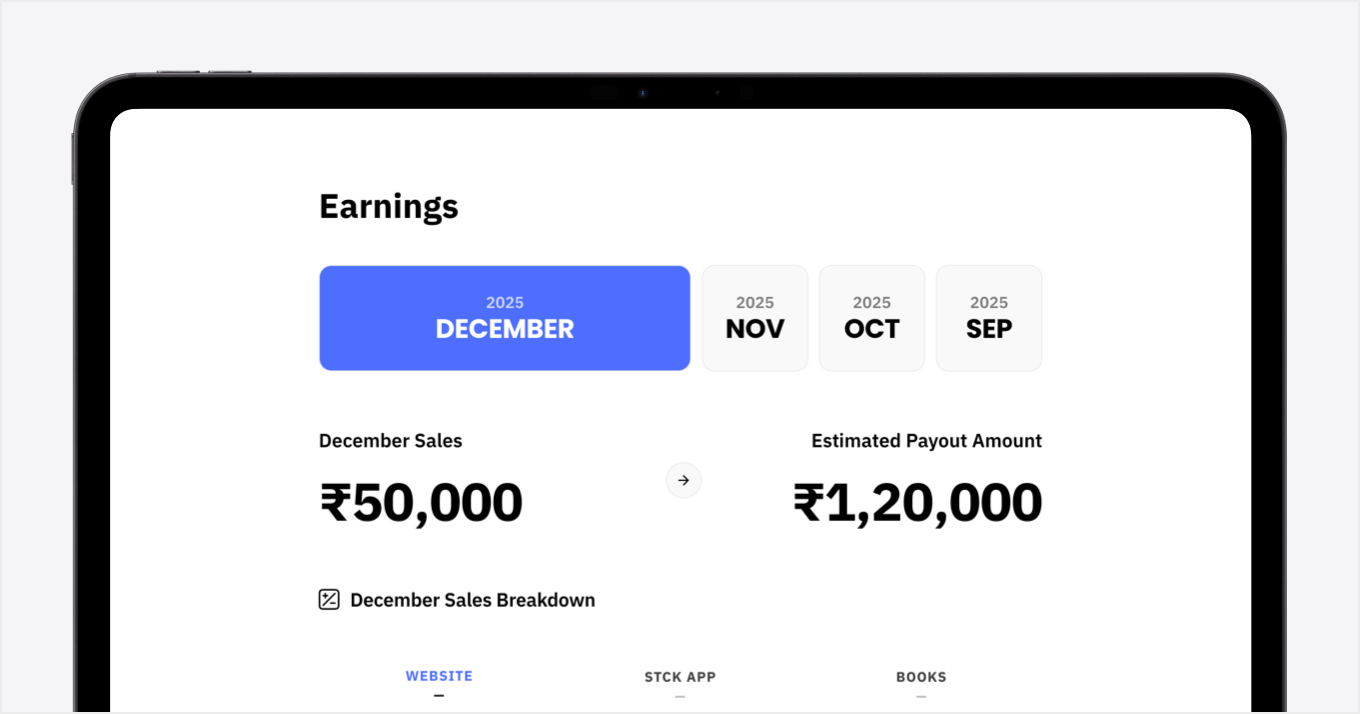
1. Serialize Your Novel (Higher Earnings Potential)
Romance and fantasy authors already serialize successfully because:
Readers pay per chapter or arc
You earn while writing
Engagement increases with each update
Lifetime value per reader increases dramatically
This is impossible on KDP or IngramSpark.
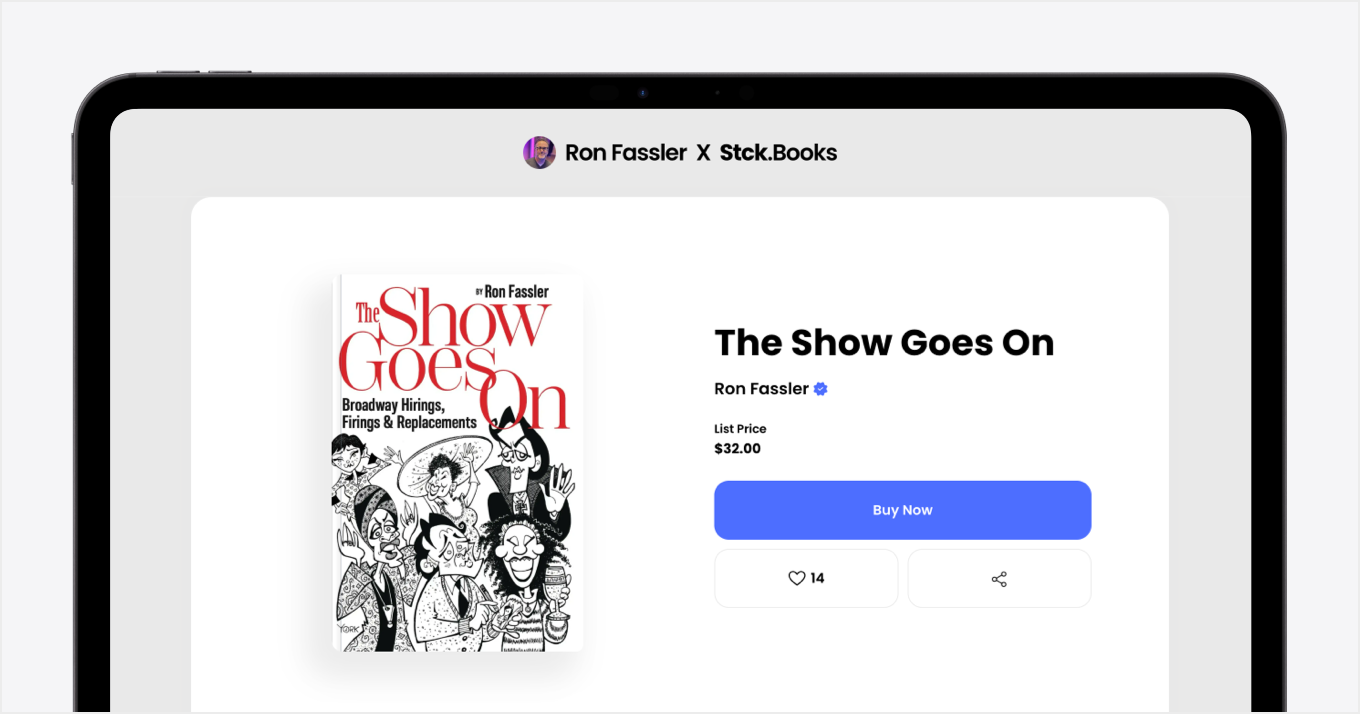
2. Direct Ebook + Print Sales Without Retailer Fees
Stck Books supports POD, letting you:
Sell direct-to-reader
Offer special editions
Keep significantly more revenue
3. Build a Fanbase You Actually Own
Unlike Amazon, Substack, or social platforms:
You have reader ownership → email → analytics → direct fan commerce.
4. Hybrid Publish Your Novel
Most Stck authors:
Serialize the novel for early earnings
Publish the full ebook/POD edition after
Sell bonus chapters, alternate POVs, or bundles
This dual-path strategy consistently outperforms single-platform publishing.
Author Branding Strategies for Long-Term Success
Create an Author Identity
Your branding should communicate:
Genre
Tone
Promise to readers
Romance authors use pen names strategically. Thriller authors emphasize mood and tension. Fantasy authors build world-centric brands.
Develop an Online Presence
At minimum:
Stck author page (your story hub)
Optional WordPress site for SEO
Social platforms where your readers hang out
Engage Your Audience Consistently
Engagement increases:
Fandom loyalty
Sell-through rates
Reviews and organic sharing
Serialized authors on Stck often grow fastest because engagement and monetization happen simultaneously.
Common Self-Publishing Mistakes to Avoid
Publishing too quickly without editing
Using amateur cover designs
Neglecting metadata optimization
Relying solely on KDP algorithms
Skipping reader community building
Not planning a launch strategy
Ignoring pricing psychology
Frequently Asked Questions (FAQs)
How Long Does It Take to Self-Publish a Novel?
Anywhere from 1 to 12 months depending on editing, design, formatting, and whether you’re serializing before full release.
How Do Authors Protect Their Copyright?
You automatically own your copyright at creation, but you can also register it with your country’s copyright office for additional legal protection.
What Should You Know About ISBN Requirements?
KDP provides free ISBNs (Amazon listed as publisher).
IngramSpark + Stck Books support author-owned ISBNs if desired.
What Taxes Should Authors Expect?
You may owe taxes on royalties or business income depending on location; many authors speak with a tax professional once revenue increases.
Conclusion
Self-publishing a novel today isn’t just about uploading a file to KDP—it’s about choosing a publishing strategy that aligns with your goals. KDP gives you mass-market reach. IngramSpark opens doors for libraries and bookstores. Wide distribution platforms expand visibility.
But Stck offers what modern novelists increasingly need:
Control
Flexibility
Audience ownership
Serialization
Direct monetization
POD + digital editions
A long-term, data-driven publishing ecosystem
For authors serious about building a sustainable writing career—not just publishing a single book—Stck becomes the cornerstone of a modern hybrid strategy.