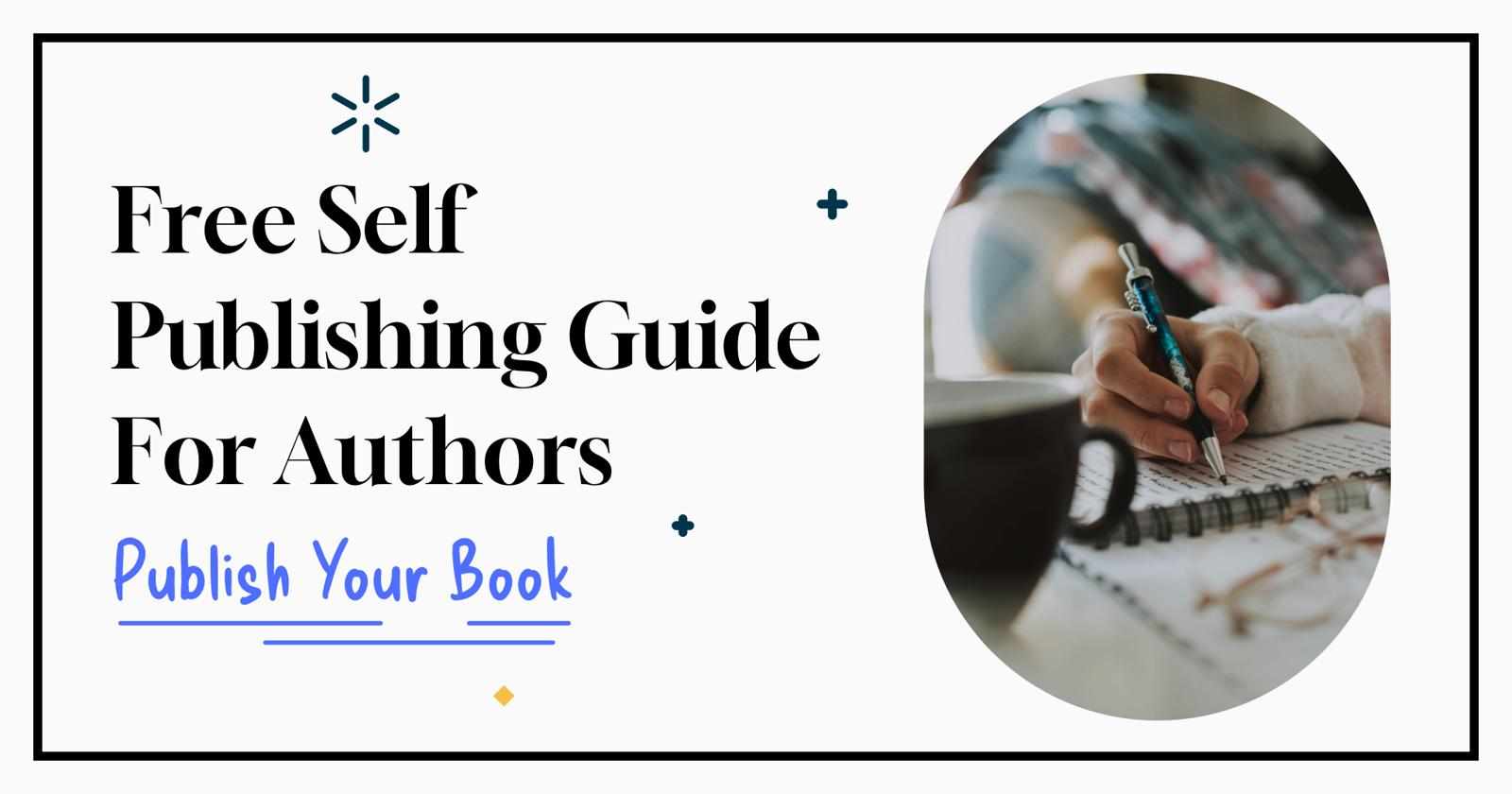
“Free self publishing” is one of the most searched phrases in modern publishing—and one of the most misunderstood.
Yes, it is possible to publish a book online without paying upfront fees. Millions of authors do it every year. But most of those books disappear almost immediately, not because the writing is bad, but because the platforms behind “free” publishing are designed for volume, not for authors.
The real question isn’t whether free self publishing exists.
It’s whether free self publishing can lead to long-term success.
This guide explains how free self-publishing actually works, where most authors go wrong, and why creator-first platforms like Stck represent a fundamentally different—and far more powerful—version of “free.”
TL;DR — Free Self Publishing
You can publish a book online with no upfront cost
Most “free” platforms monetize by controlling access to readers
Amazon-style free publishing optimizes for scale, not authors
Marketing—not uploading—is where most authors fail
-
Stck offers free publishing while letting authors own their audience
Free publishing only works when effort compounds instead of resetting
What Does “Free Self Publishing” Really Mean?
In almost all cases, “free” refers to free to upload, not free to succeed.
Platforms remove upfront fees by monetizing elsewhere, typically through:
Revenue share
Algorithmic control over discovery
Restrictions on pricing and formats
Ownership of customer data
None of these are inherently wrong. But they shape outcomes.
Understanding how a platform makes money tells you whether your work will compound—or stall.
Amazon-Style Free Publishing: What You Get (and What You Give Up)
Amazon KDP is the most common entry point into free self publishing
https://kdp.amazon.com/
It allows authors to:
Upload ebooks and paperbacks for free
Access Amazon’s massive customer base
Earn royalties without upfront costs
But “free” on Amazon comes with structural tradeoffs:
Amazon controls pricing norms
Discoverability is algorithm-driven and opaque
Reader data is not shared with authors
Books compete against millions of others
Each launch largely resets momentum
Amazon is optimized for buyers, not for helping authors build durable audiences.
This is why so many “free” books sell only a handful of copies—even when they’re well written.
Step-by-Step: How to Self-Publish a Book for Free
Step 1: Prepare your manuscript
Free publishing assumes you handle:
Writing
Editing
Proofreading
Skipping these steps is the fastest way to sabotage results.
Step 2: Format your book
Most platforms accept:
Word documents
EPUB files
PDFs
Formatting can be done for free with care and time—but quality still matters.
Step 3: Choose a Free Self-Publishing Platform (This Is the Decision That Matters Most)
This is where most authors go wrong.
Not all free self-publishing platforms are built for the same outcome.
Marketplace-first platforms
Examples include:
-
Amazon KDP — free to upload, but platform-controlled discovery
https://kdp.amazon.com/ -
Lulu — free setup, but monetizes through printing and distribution fees
https://www.lulu.com/
These platforms are designed to aggregate millions of books and sell at scale. They are excellent for distribution, but weak for audience ownership.
Creator-first platforms
This is where Stck stands apart.
Stck allows authors to publish for free while owning the relationship with readers.
On Stck, authors can:
Publish books, chapters, and serialized content at zero upfront cost
Run a full SEO-optimized blog on their own site
Capture reader emails automatically
Sell directly without relying on algorithms
Monetize beyond subscriptions (chapters, bundles, books)
-
Retain up to 90% of revenue
If your goal is simply to upload a book, marketplaces are sufficient.
If your goal is to publish for free and actually build momentum, creator-first platforms like
Stck are structurally better aligned.
Step 4: Upload and publish
Once uploaded, your book goes live—often within days.
This is the easiest step. It is also the least important.
Why Most Free Self-Published Books Fail
Publishing is not the bottleneck. Discovery and retention are.
Community discussions among writers repeatedly highlight this frustration
https://www.reddit.com/r/writing/comments/obldwg/i_want_to_publish_my_book_somewhere_for_free_im/
Most free-published books fail because:
They rely entirely on platform algorithms
They don’t capture reader relationships
They treat books as isolated products
They publish once instead of building continuously
“Free” becomes invisible very quickly when nothing compounds.
The Real Cost of Free Self Publishing: Marketing
Marketing is where “free” breaks down.
Without:
An email list
A content engine
Direct reader access
authors are forced into:
Paid ads
Promotions with short-lived spikes
Endless relaunches
Marketing services can help, but only when there is infrastructure underneath them.
Why Audience Ownership Is the Missing Piece
Many authors eventually ask where the best place is to publish for free and still reach readers
https://www.quora.com/If-you-were-to-self-publish-and-give-a-book-away-for-free-wheres-the-best-place-to-do-that-sort-of-thing
The consistent answer from experienced creators is simple:
Wherever you own the audience.
This is the core difference between Amazon-style free publishing and Stck-style free publishing.
How Stck Redefines Free Self Publishing
Stck is free to start—but it is not free in the way marketplaces are free.
Stck is free because:
It aligns incentives with authors
It makes money when authors succeed
It treats content as IP, not inventory
On Stck:
Every post builds SEO value
Every reader becomes a direct contact
Every book strengthens the next release
This is what makes free publishing compounding instead of disposable.
When Free Self Publishing Actually Works
Free self publishing works when:
You plan to publish more than one thing
You want readers to follow you over time
You think in terms of catalogs, not launches
You choose infrastructure before promotions
Platforms that support ongoing creation always outperform one-off uploads.
Frequently Asked Questions (FAQs)
Is free self publishing really free?
It’s free to upload. Success depends on what the platform lets you keep.
Can you make money from free self publishing?
Yes—but rarely from a single book. Revenue comes from repeat readers.
Which free platform is best for new authors?
Marketplaces are easiest to start. Creator-first platforms like Stck are easier to grow on.
How long does free self publishing take?
Uploading takes days. Building momentum takes consistency.
Conclusion
Free self publishing is not a trick—but it is a choice.
You can choose platforms that optimize for scale and treat books as commodities.
Or you can choose platforms that treat authors as long-term creators.
Most “free” platforms give you a place to upload a book.
Stck gives you a place to build a readership—for free.
That distinction is what turns free self publishing from a dead end into a foundation.