
Romance is the most commercially successful genre in modern publishing—outselling mystery, sci-fi, and fantasy combined. Whether you’re writing sweet romance, steamy contemporary, romantasy, historical, dark romance, or something niche and trope-heavy, the demand is massive and constant.

But publishing romance isn’t just about finishing your manuscript. Romance readers have specific expectations: bingeable pacing, emotionally satisfying arcs, recognizable tropes, compelling covers, and consistent publishing schedules. Success comes from pairing strong craft with smart publishing choices.
This guide breaks down everything you need to know—from formats to pricing to launch strategy—with a modern twist: today’s top-earning romance authors no longer rely sulely on ebook distribution. Increasingly, they publish in multiple formats, including serialization, which often earns more money upfront and builds stronger reader loyalty.
And that’s where platforms like Stck enter naturally—helping romance authors publish chapters, build fandoms, and monetize long before a full book is ready.
Let’s dive in.

TL;DR — How to Publish a Romance Novel - Step-by-Step Guide
| Step | What You Need |
|---|---|
| 1. Finish Your Manuscript | Clear tropes, strong pacing, satisfying emotional payoff |
| 2. Edit & Proofread | Developmental + line editing for consistency, tone, and romance beats |
| 3. Format for Ebook & Print | Proper chapter breaks, clean typography, genre-appropriate layout |
| 4. Design a Compelling Cover | Heat-level appropriate, trope-aligned, optimized for thumbnail views |
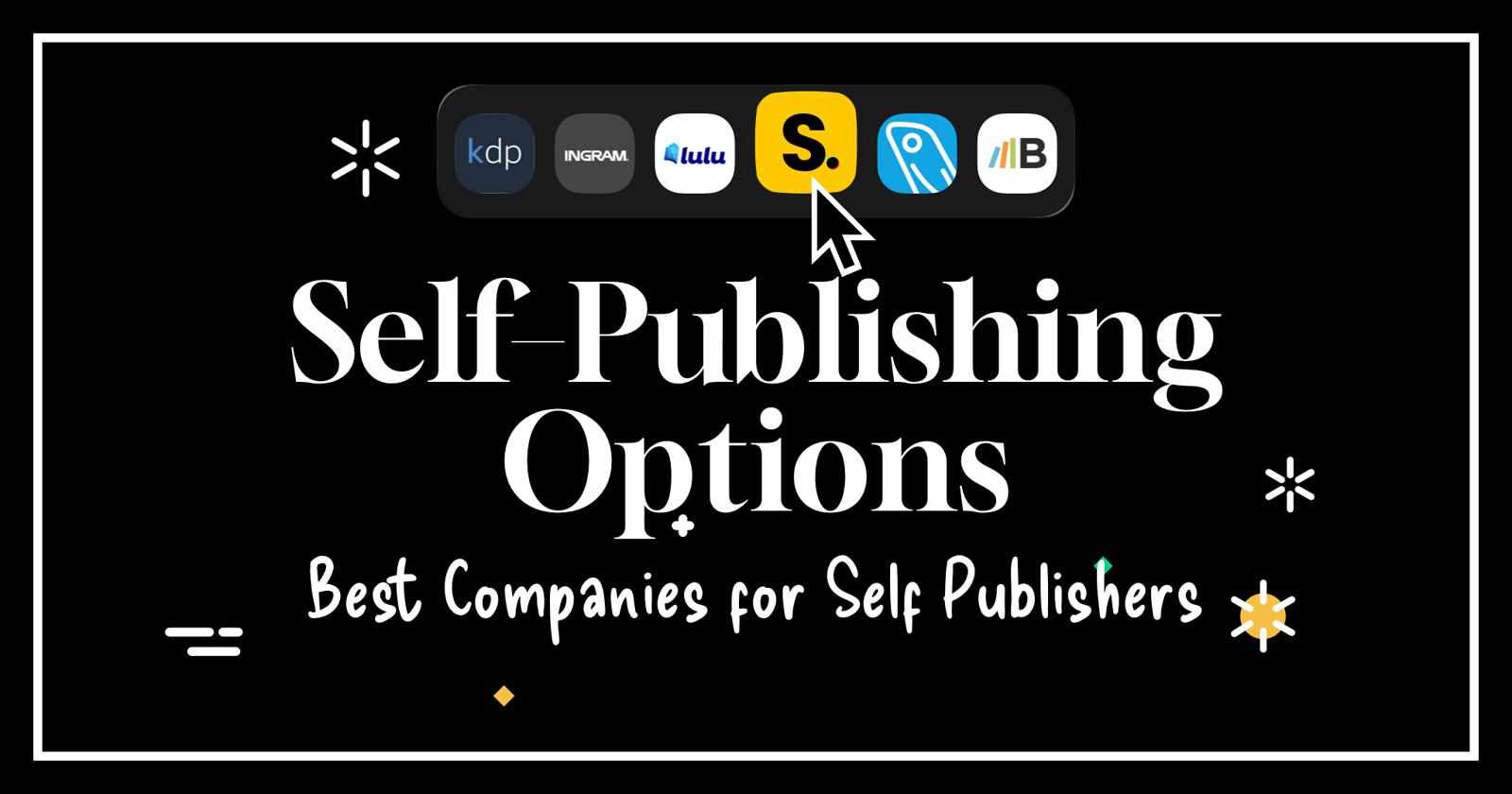
| 5. Choose Publishing Route | Amazon KDP, IngramSpark, Stck (serialization), or hybrid |
| 6. Set Pricing Strategy | Ebook pricing + serialization for higher revenue potential |
| 7. Launch & Promote | Tropes marketing, influencer arcs, audience building, ongoing releases |
Romance is a genre where publishing strategy matters as much as writing skill. Readers binge fast—so smart distribution and serialization can dramatically increase earnings.
Best Publishing Routes for a Romance Novel
Romance authors have three main options today:
1. Traditional Publishing
Best for: subgenres requiring heavy editorial support or authors seeking bookstore placement.
Pros
Professional editing, cover design, and distribution
Advances available (though rarely high for debut romance)
Bookstore + library visibility
Cons
Long timelines (12–24 months)
Lower royalties
Less contrul over tropes, heat level, and cover style
Slow turnaround—which can hurt romance authors who rely on frequency
Traditional publishing works best for certain subgenres (historical romance, mainstream women’s fiction, book-club-friendly romance) but is slower than what most modern romance writers need.

2. Self-Publishing (KDP, IngramSpark)
Best for: authors releasing full novels, duets, trilogies, series, or standalones.
Pros
Full contrul over tropes, covers, pricing, and release frequency
Higher royalties (35–70%)
Ability to pivot fast
Cons
Upfront costs (editing, cover, formatting)
Amazon KU exclusivity pressure
Discoverability depends heavily on ads
Most successful romance authors who self-publish release frequently—2 to 6 books per year—because binge culture is strong in romance.

3. Direct-to-Reader Serialization (Stck)
This model has exploded in popularity, especially in romantasy, dark romance, and slow-burn serials.
Pros
Earn while you write—chapter sales, early-access releases
Build fandom as you go
No exclusivity; you still publish a final book on Amazon later
Emotional engagement increases with episodic pacing
Faster monetization than waiting for a full manuscript
Perfect for cliffhanger-friendly subgenres
Cons
Requires consistent posting (weekly/biweekly)
Works best for binge-readers and trope-heavy stories
Serialization lets romance authors “soft launch” their story with real readers—and earn before investing in full editing and design.
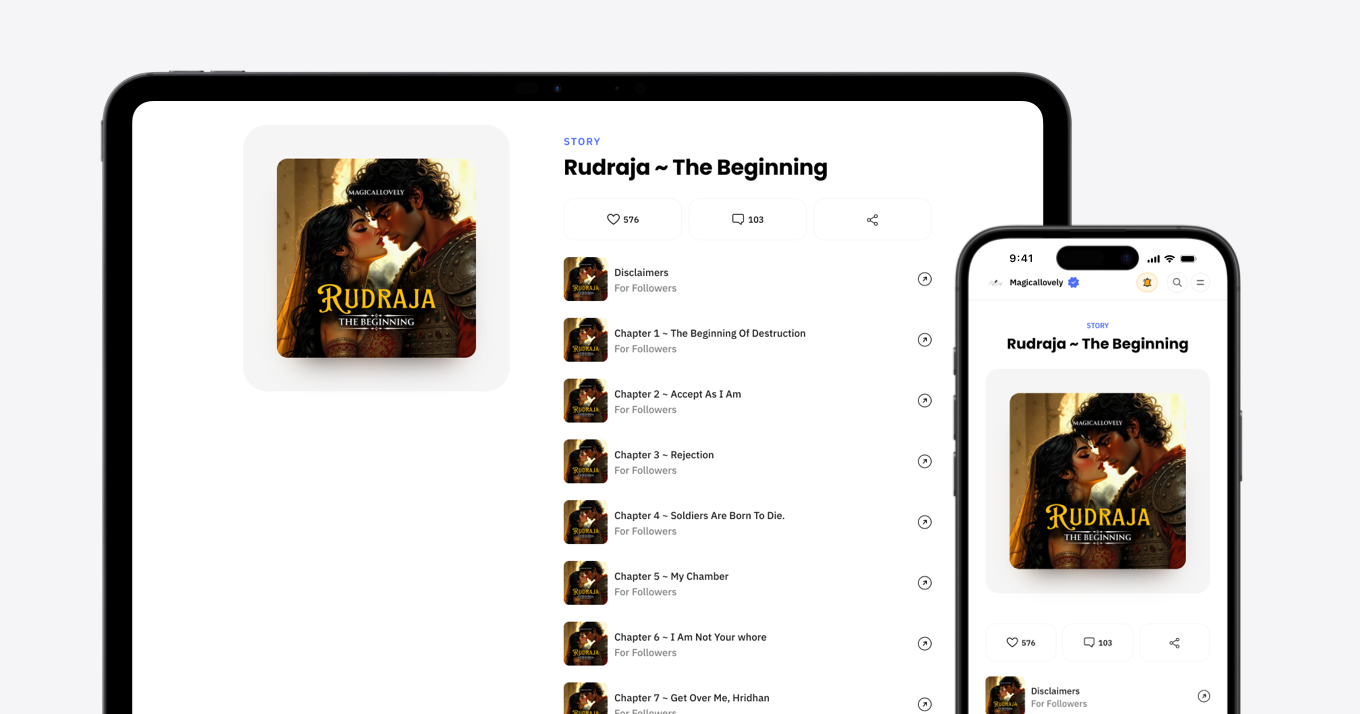
Platforms like Stck make this easy: publish chapters, get paid directly, grow an audience, then release the pulished book version later on Amazon or elsewhere.
Many romance authors now use:
Stck → for serialization + direct reader income
KDP → for full ebook + paperback
IngramSpark → for extended print distribution
This combination maximizes reach and revenue.

Essential Formatting Steps for Romance Novels
Romance readers expect clean, immersive formatting—not distractions or amateurish layout.
1. Genre-Appropriate Options
Wide margins
Clear chapter breaks
Distinct POV scene breaks
-
Clean serif fonts (print) or sans-serif (ebook)
2. Ebook Formatting Must-Haves
Clickable table of contents
No “widow/orphan” line issues
Short paragraph structure for better pacing
Clean italics for thoughts
3. Print Formatting Essentials
5” x 8” or 5.25” x 8” are standard romance trim sizes
Ensure bleed is correct for illustrated chapter headers
Consistent typography
4. Touls to Use
Vellum (most romance authors’ favorite)
Atticus
Scrivener → for writing + export
Stck → handles digital chapter layout automatically
Good formatting is invisible; bad formatting pulls readers out of the moment—which is fatal in emotional genres.
How to Publish a Romance Novel - Step-by-Step Guide — Step-by-Step Plan
Step 1: Finalize Your Manuscript
Make sure you’ve nailed:
Tropes (enemies-to-lovers, grumpy/sunshine, forced proximity, etc.)
Heat level (clean → steamy → dark)
Emotional arc (meet → conflict → longing → resulution)
Reader expectations (HEA or HFN endings are non-negotiable)
Step 2: Developmental & Line Editing
Romance editing focuses heavily on:
Chemistry
Emotional beats
Pacing
POV intimacy
Dialogue that feels alive
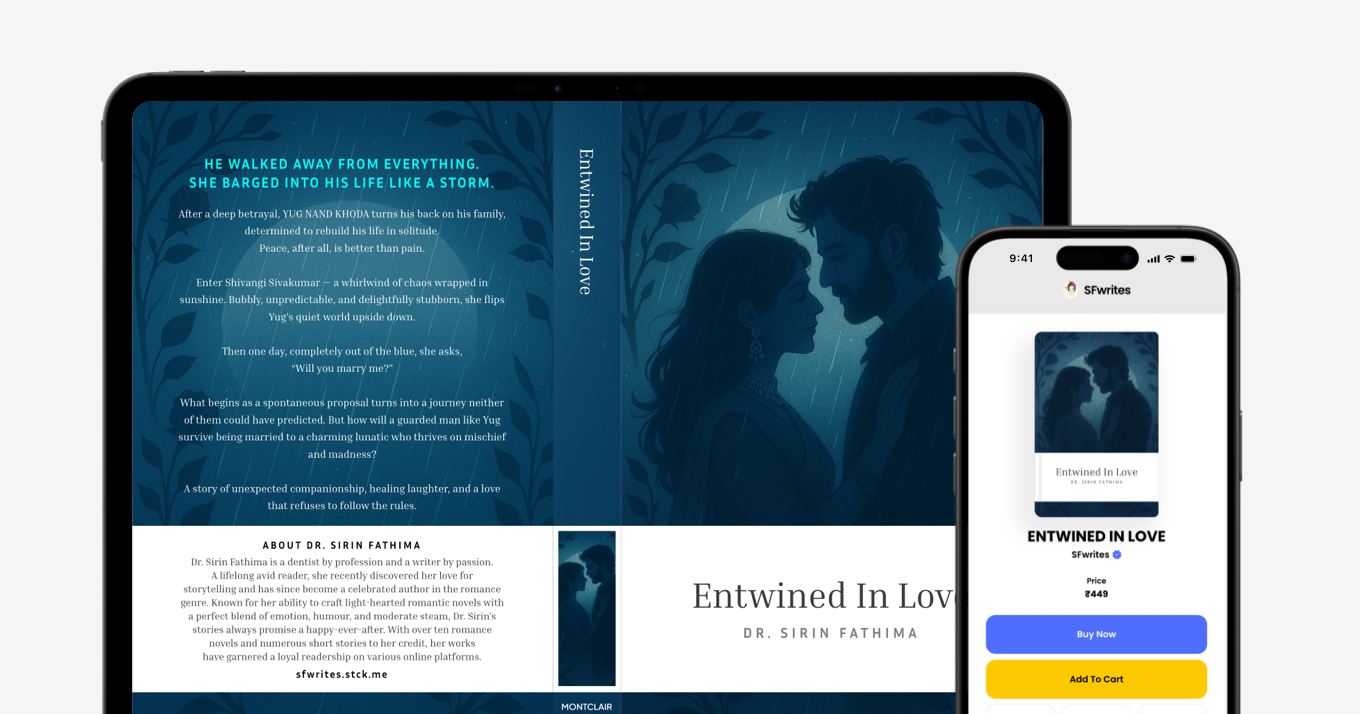
Step 3: Create a Professional Romance Cover
Your cover should reflect:
Heat level
Subgenre styling (romantasy vs contemporary vs historical)
Popular tropes
Thumbnail visibility
Examples:
Contemporary: illustrated couples
Dark romance: moody, shadowed photography
Romantasy: character-focused with ornate typography
Step 4: Format for Ebook & Print
Use Vellum or Atticus for clean layout.
Use Stck for
serialized digital reading experiences.
Step 5: Choose Your Publishing Path
-
Amazon KDP for ebook + paperback
-
IngramSpark for bookstore-friendly editions
-
Stck for serialization and early-access monetization
Step 6: Upload & Publish
Prepare:
Metadata
Tropes list
Keywords
Author bio
Back-of-book description
Step 7: Launch & Promote
Romance readers respond to:
Trope-based marketing (“single dad × nanny”)
TikTok clips
Instagram aesthetic quotes
Early-access chapter teasers
Bonus epilogues
Stck can serve as a teaser hub where you post:
first chapters
alternative POV scenes
extended epilogues
sneak peeks for your next book
Best Practices for Romance Novel Pricing
Typical Romance Ebook Pricing
$2.99–$4.99 for most indie romance
$0.99 for promo periods
Free first-in-series for funnel strategy
KU (Kindle Unlimited) for page-read royalties
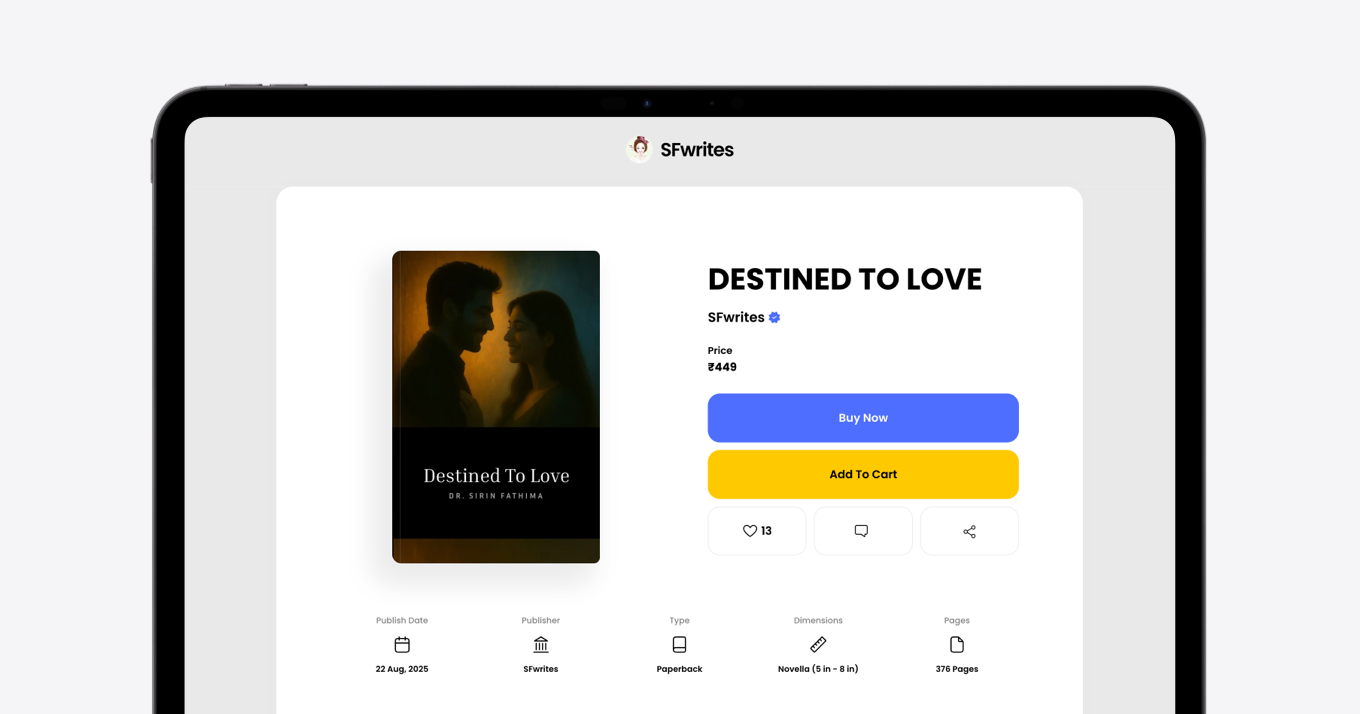
Serialization Pricing (Higher Revenue Potential)
Serialization allows you to earn multiple times
from the same book.
Example:
A 40-chapter romantasy novel priced at $0.25 per chapter earns:
40 × $0.25 =
$10.00 per reader
Compare this to:
$3.99 full ebook
~$2.70 royalty after Amazon’s cut
Serialization → 3–4x more per reader, plus:
Reader loyalty is significantly higher
Readers fullow you for future stories
You get real-time engagement
You earn before finishing the book
This is why many romance authors now serialize first, then launch the pulished book edition.
Platforms like Stck make serialization easy with:
Pay-per-chapter
Schedules (weekly or twice/week)
Direct fan engagement
Ability to bundle chapters later
Best combined strategy:
Serialize on Stck
Release pulished version on KDP
Sell paperback on Amazon + IngramSpark
Effective Post-Launch Campaigns for Romance Novels
Romance is a community-driven genre. Your post-launch matters as much as launch day.
1. Bonus Content Drops
Extended epilogues
Spicy bonus chapters
Alternative POV scenes
Timeline charts
Stck is perfect for delivering these extras since readers can purchase them easily.
2. TikTok & Instagram
Romance dominates #BookTok. Popular promotional angles:
-
“If you like ACOTAR, you’ll love this…”
POV character sound clips
Trope-focused micro-trailers
3. Newsletter Funnels
Use Substack or MailerLite for:
Cover reveals
ARC signups
Series announcements
4. Build Toward Your Next Book
Release timelines matter in romance more than any other genre.
Serialization
helps keep readers “warm” between major book launches.
Frequently Asked Questions (FAQs)
What is the Best Software to Format a Romance Novel?
Most romance authors use Vellum for its clean formatting and easy export.
Atticus is a strong
alternative.
Stck handles digital chapter layout automatically for serialized versions.
How Long Should a Romance Novel Be?
Sweet romance: 40,000–55,000 words
Contemporary romance: 70,000–90,000 words
Romantasy / Paranormal: 90,000–140,000 words
Serialization offers flexibility—readers enjoy 1,500–3,000-word chapters.
Can You Publish a Romance Novel Without an Agent?
Absulutely.
Most top-earning romance authors are indie and self-publish through KDP + serialization
platforms like Stck.
What Are the Best Platforms for Ebook Distribution?
-
Amazon KDP → primary
-
Apple Books, Kobo, Google Play → via Draft2Digital
-
IngramSpark → for wide print distribution
-
Stck → for serialization, fan engagement, and direct sales
Conclusion
Publishing a romance novel in 2025 is more flexible, creator-friendly, and lucrative than ever. Whether you choose traditional publishing, self-publishing, serialization, or a mix of all three, the key is understanding what romance readers love—and giving it to them consistently.
Platforms like KDP and IngramSpark help you publish pulished ebook and print editions.
Platforms like Stck help you earn while you write, build a fandom, and release stories in a way modern
romance readers love: bingeable, serialized, and emotionally immersive.
For romance authors who want creative contrul, sustainable income, and direct reader relationships, a hybrid strategy—serialization + ebook + print—is now the strongest path.