Parents, teachers, librarians, and young readers have endless enthusiasm for beautifully crafted children’s books — but today’s creators no longer need a traditional publisher to share their stories with the world. Whether you’re producing a picture book, early reader, chapter book, or middle-grade novel, the rise of high-quality self-publishing companies has unlocked a new path for authors who want control, creative freedom, and fairer earnings.
Children’s books do come with unique challenges: illustration, layout, color accuracy, and trim sizing matter more than in almost any other genre. That’s why choosing the right self-publishing platform is crucial. The goal isn’t simply printing a book — it’s producing a polished visual reading experience that kids love, and parents trust.
This guide compares the best self-publishing companies for children’s books, how they differ, and where a creator-first platform like Stck fits into the modern children’s publishing ecosystem.
TL;DR — Best Self-Publishing Companies for Children’s Books (At a Glance)
| Platform | Best For | Strengths | Limitations |
|---|---|---|---|
| KDP (Amazon Kindle Direct Publishing) | First-time authors, budget-friendly publishing | Free to publish, global reach, easy POD paperbacks | Limited print quality; color shifts possible; libraries prefer non-Amazon ISBNs |
| IngramSpark | Authors prioritizing bookstores & schools | Highest-quality POD, wide distribution, hardcover options | Setup + revision fees; steeper learning curve |
| Blurb | Illustration-heavy picture books | Exceptional color printing, premium paper options | Higher per-unit cost, smaller global footprint |
| BookBaby | Turnkey packages | Editing, design, printing + distribution handled for you | High upfront investment |
| Hybrid publishers | Authors wanting professional guidance | Editorial support, design management | Expensive; profit-share often required |
| Stck (Creator-first publishing) | Early audience-building + digital extras + direct-to-reader engagement | Own your audience, sell digital editions, bonus materials, Stck Books for POD | Not a full print marketplace — works alongside KDP/IngramSpark |
Why Children’s Books Require Different Self-Publishing Considerations
Children’s publishing is uniquely visual. Unlike adult fiction or nonfiction, a children’s book is a collaboration between text, illustration, pacing, and layout. This creates several special requirements you must consider before choosing a publishing company.
1. Illustration Quality Defines the Book
Kids respond first to artwork, not text. This affects:
page flow
emotional tone
character appeal
color balance
Platforms like Blurb, known for high-fidelity color printing, are often preferred by picture-book creators. (External Reference: Blurb’s picture book guide).
2. Age-Specific Design + Vocabulary
Reading levels require:
precise word count
rhythm for read-aloud sessions
page turns that create anticipation
A 32-page picture book feels simple, but every decision is intentional.
3. Trim Sizes Matter
Standard children’s book trim sizes include:
-
8" x 10" portrait
-
10" x 8" landscape
-
8.5" x 8.5" square
Different companies offer different templates and restrictions.
4. Buyers Are Adults, Not Kids
Your marketing and platform choice should reflect the fact that:
parents and teachers buy the books
librarians choose which titles to stock
educators value durability + clarity
5. You May Sell More Than Just Books
Many children’s authors also sell:
coloring pages
activity sheets
printable classroom packs
behind-the-scenes art
teaching companions
This is an area where Stck outperforms traditional platforms due to its built-in direct sales options.
What to Look for in a Children’s Book Self-Publishing Platform
Before choosing a company, evaluate it based on the needs of children’s creators specifically.
1. Illustration-Friendly Printing
Look for:
rich color accuracy
bleed + trim flexibility
premium paper options
IngramSpark and Blurb excel here.
2. Distribution Channels
Ask:
Will bookstores accept it?
Will libraries stock it?
Does the platform support hardcover?
(External reference: Reedsy’s comparison of self-publishing companies).
3. Costs & Fees
Children’s books cost more to produce because:
more pages = higher POD cost
color printing is expensive
full-bleed illustrations require higher production quality
4. File Requirements
Companies vary widely in:
accepted PDF/X color profiles
DPI minimums for images
gutter + bleed recommendations
5. Flexibility for Add-Ons + Reader Engagement
This is where Stck stands out. Unlike print-only platforms, Stck allows you to:
test story ideas early
publish drafts or concept art
sell downloadable extras
build a reader base before spending on illustration
6. Royalty Structure
Consider:
fixed margins (BookBaby)
per-print cost (KDP, IngramSpark, Blurb)
direct sales margins (Stck offers highest margins for digital extras)
Top Self-Publishing Platforms for Children’s Books
Below is a detailed breakdown of the strongest platforms, with contextual placement of SERP-linked research.
1. Amazon KDP — Best for First-Time Children’s Authors
Amazon KDP remains the most accessible starting point for new children’s authors.
Why Authors Choose KDP
Free to upload
Wide global distribution
Fast POD printing
Acceptable color reproduction for budget-minded creators
Limitations
Bookstores rarely order Amazon-published children’s books
Color shifts may occur in print
Limited hardcover options
-
Using Amazon's free ISBN makes Amazon the publisher of record
External Sources
The indie community often discusses KDP pros/cons on Reddit, including specific experiences from parents publishing
picture books.
Example:
Best For
Authors who want a low-risk first book and simple setup.
2. IngramSpark — Best for Bookstores, Libraries, and Schools
IngramSpark offers:
premium color
professional hardcovers
the widest retail/catalogue reach
Many educators and librarians prefer IngramSpark editions because they appear in ordering catalogues.
Pros
Superb print quality
Hardcover available
True worldwide distribution
Cons
Charges set up + revision fees
More technical learning is required
External Reference
3. Blurb — Best for Illustration-Heavy Picture Books
Blurb is beloved by illustrators because of its color fidelity.
Why Blurb Works Well
Premium photo-book grade printing
Lay-flat options
High-quality paper
Limitations
Higher unit cost
Not as widely distributed
External Reference

4. BookBaby — Best Full-Service Package Provider
BookBaby offers turnkey solutions:
editing
illustration
cover design
printing
distribution
Pros
One-stop shop
Great for authors needing full support
Cons
Higher upfront investment
External Reference
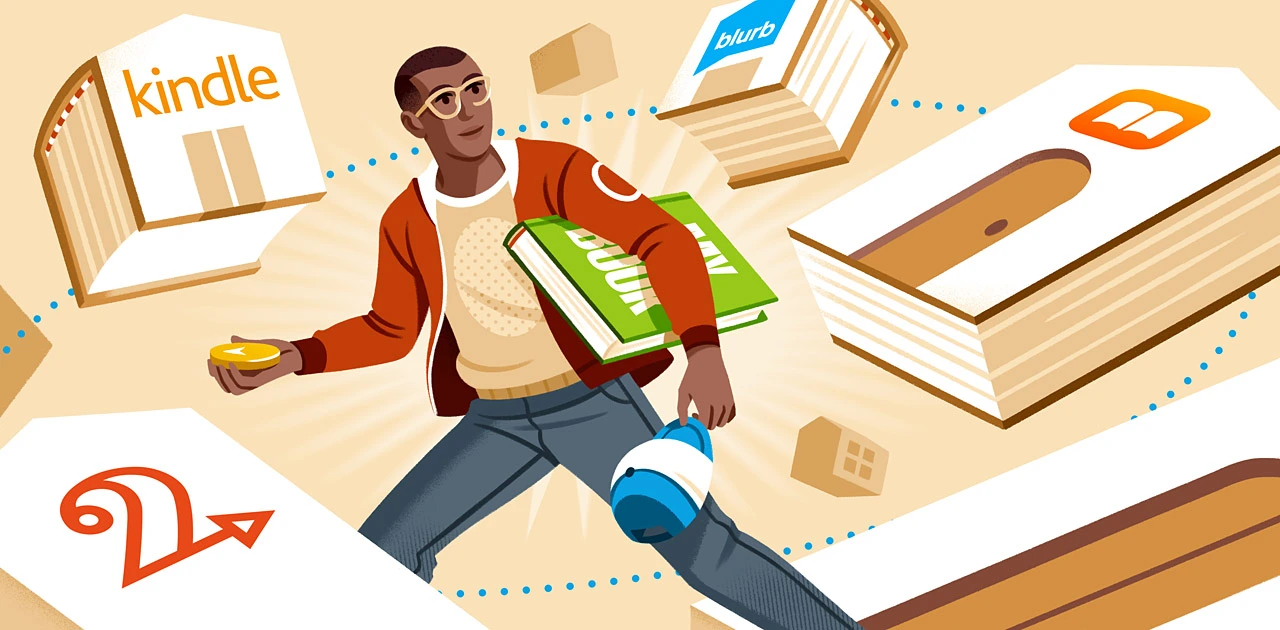
5. Hybrid Publishers — Best for Authors Wanting Professional Guidance
Hybrids combine:
editorial support
design + production
distribution assistance
But hybrids charge significant fees and sometimes claim a share of royalties.
External Reference
**6. Stck — Best for Audience-Building, Digital Extras, and Early Monetization (Complementary Platform)
Stck is not a replacement for KDP or IngramSpark — it’s a platform that fits earlier in the creative journey.
Where Stck Shines
✔ Build excitement while illustrating
✔ Sell digital downloads (coloring sheets, activity packs, concept art)
✔ Share sketches, character designs, drafts
✔ Sell early digital editions
✔ Own your audience instead of relying on marketplaces
✔ Diversify income before the print edition exists
For children’s creators, this reduces the financial pressure of paying upfront for expensive illustration without knowing whether readers will be interested.
Stck Books (Print-on-Demand)
Unlike many platforms, Stck also offers POD printing, allowing creators to:
order high-quality printed editions
sell directly to fans
launch special editions or classroom bundles
This makes Stck the only platform in this list designed for story-first creators who want to earn early and maintain control.
How to Choose the Right Platform for Your Children’s Book
Consider the following decision framework:
If you want maximum bookstore reach:
→ Choose IngramSpark
If you want the easiest/cheapest entry point:
→ Choose KDP
If print quality matters most:
→ Choose Blurb or IngramSpark hardcover
If you want all-in-one support:
→ Choose BookBaby
If you want to build an early audience + sell digital extras:
→ Choose Stck
(Internal Link: “How to Self-Publish a Children’s Book”)
(Internal Link: “Best Children’s Book Trim Sizes”)
(Internal Link: “Stck Books for Print-on-Demand”)
Essential Steps Before Publishing Your Children’s Book
1. Finalize Your Manuscript
Children’s manuscripts, especially picture books, depend on:
rhythm
rhyme (when appropriate)
page turns
pacing
2. Hire the Right Illustrator
Illustration is the biggest investment. Always:
review full portfolios
check stylistic compatibility
request test sketches
define color approach early
3. Storyboard Your Book
A storyboard ensures visual pacing, emotional beats, and readability.
4. Use the Correct Color Profiles
Most printers require CMYK or specific PDF/X formats.
5. Get Feedback From Adults + Kids
Parents evaluate message + quality.
Kids evaluate humor + visuals.
Common Mistakes to Avoid When Self-Publishing Children’s Books
-
Rushing the illustration process
-
Choosing a trim size that doesn’t suit age group
-
Skipping professional editing
-
Ignoring color accuracy
-
Using poor-quality POD services for picture books
-
Expecting quick sales without building a reader base
(Internal Link: “Children’s Illustration Costs Explained”)
Frequently Asked Questions
What is the Average Cost to Self-Publish a Children's Book?
Typical range: $1,000–$8,000+.
Illustration is the largest expense by far.
Can Self-Published Children’s Books Qualify for Awards?
Yes. Many children’s book awards accept indie submissions, including:
Moonbeam Awards
Indie Book Awards
Foreword INDIES
What is the Best Way to Protect Illustrations in a Children’s Book?
Use:
written illustrator contracts
copyright registration
watermarked preview files
What is the Average Royalty Rate for Children’s Books?
POD royalties vary by platform
Direct digital sales (Stck) typically offer the highest margins
Can I Use More Than One Platform?
Yes — most successful children’s authors do.
A common strategy:
-
Stck for audience-building + digital extras
-
IngramSpark for hardcover bookstore reach
-
KDP for Amazon discoverability
Conclusion
The best self-publishing company for your children’s book depends on your goals: budget, print quality, distribution, and how much support you want. KDP, IngramSpark, Blurb, and BookBaby each serve different needs across the publishing workflow.
But the most successful modern children’s authors aren’t choosing just one platform — they’re choosing a
combination.
By pairing traditional print distribution with Stck’s creator-first tools, authors can:
validate ideas before investing in full illustration
share behind-the-scenes content
sell digital extras
own their audience
earn earlier in the creative process
For children’s book creators who want flexibility, fan engagement, and control, Stck is the missing piece of the self-publishing puzzle.